Feature Story
2026 • 12 min read • 1960s Style Guide
Listen While You Read
A Hard Day's Night — The Beatles, 1964
⚡ Click the player, then tap the play button to listen
1964: The Year America Got a Trim
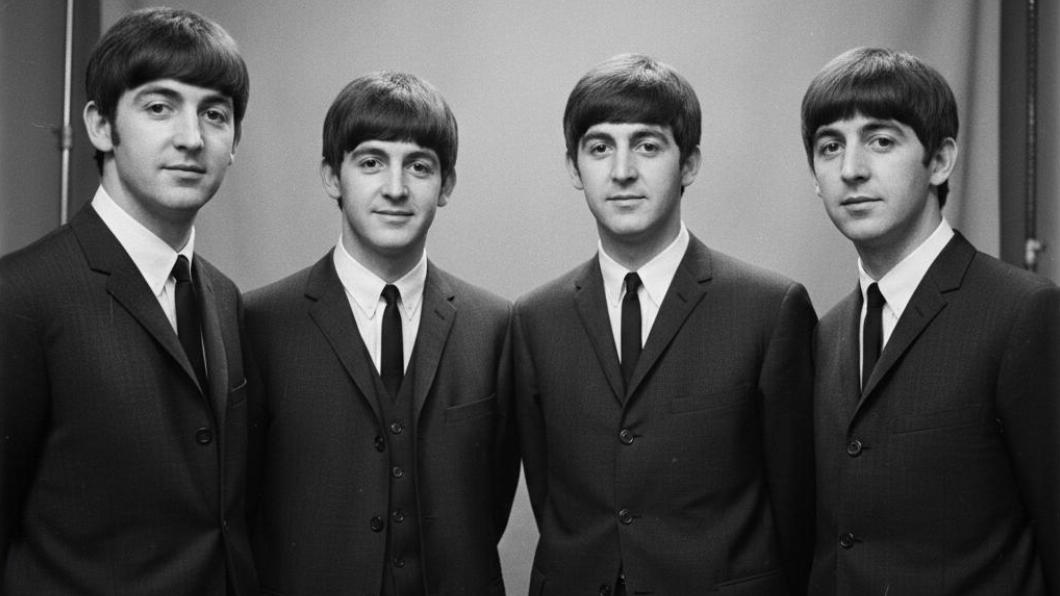
February 9, 1964. The Ed Sullivan Show. Seventy-three million viewers—nearly forty percent of the American population—watched as four young men from Liverpool took the stage. But it wasn't just the music that sent shockwaves through living rooms across the nation. It was the hair.
In an era when American men were expected to maintain strict, short-back-and-sides crew cuts, the Beatles' flowing, collar-grazing, brow-obscuring "Mop-tops" represented nothing short of a cultural revolution. Parents were horrified. Teenagers were electrified. Barbers were bewildered. The New York Times would later write that the Beatles had "ushered in a new era of male vanity."
This is the story of how a haircut became a manifesto—a tale that begins not in the swinging streets of London, but in the grimy clubs of Hamburg, Germany, where art, existentialism, and a photographer named Astrid Kirchherr would change the face of popular culture forever.
Hamburg: Existentialists and the First Cut
The Mop-top didn't originate in Liverpool, nor was it conceived by the Beatles themselves. Its birthplace was the Reeperbahn—the red-light district of Hamburg, West Germany—where the band spent grueling months in 1960 and 1961 performing marathon sets at clubs like the Indra and the Kaiserkeller.
It was here that they encountered Astrid Kirchherr, a striking German photographer deeply embedded in Hamburg's "Exi" (Existentialist) scene. The Exis favored sharp, angular fashion—black turtlenecks, suede jackets, and distinctive, forward-brushing hairstyles that defied the conservative norms of post-war Europe.
Kirchherr, then just twenty-two, was dating Stuart Sutcliffe—the Beatles' original bassist and John Lennon's art school friend. One afternoon, she showed Sutcliffe photographs of Parisian models wearing a distinctive forward-swept style. Intrigued, Sutcliffe asked her to cut his hair. George Harrison, watching, was next. Then John. Then Paul. The transformation was captured in Kirchherr's haunting, shadow-drenched photographs—images that remain among the most iconic of the era.
They were the first to admit that they copied the hairstyle from us. But we didn't mind—we were flattered.
— Astrid Kirchherr, 2001
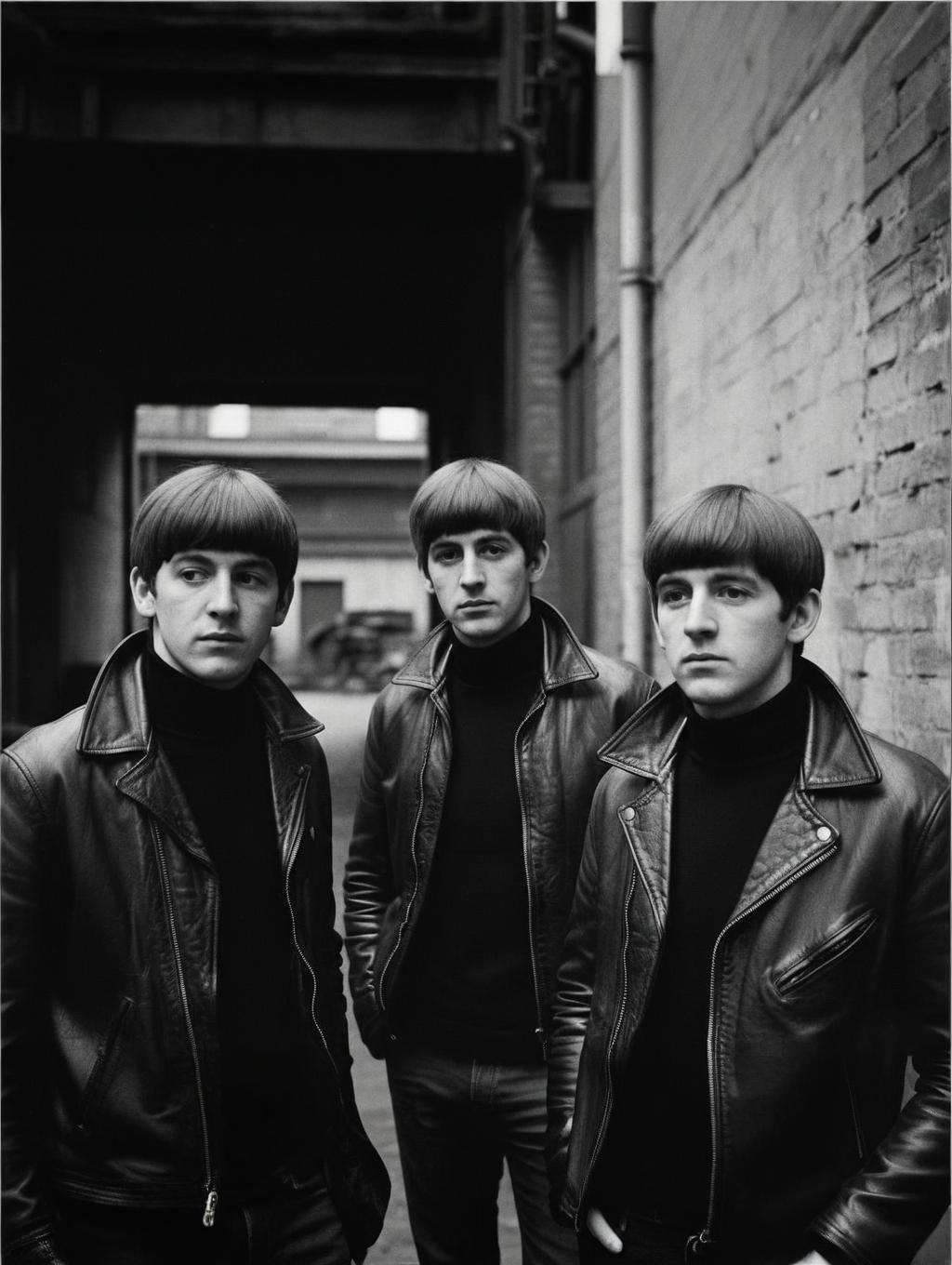
Hamburg, 1961 — Photograph by Astrid Kirchherr
The Evolution: From Mop-Top to Hippie
Four distinct phases of Beatles hair, 1962-1969
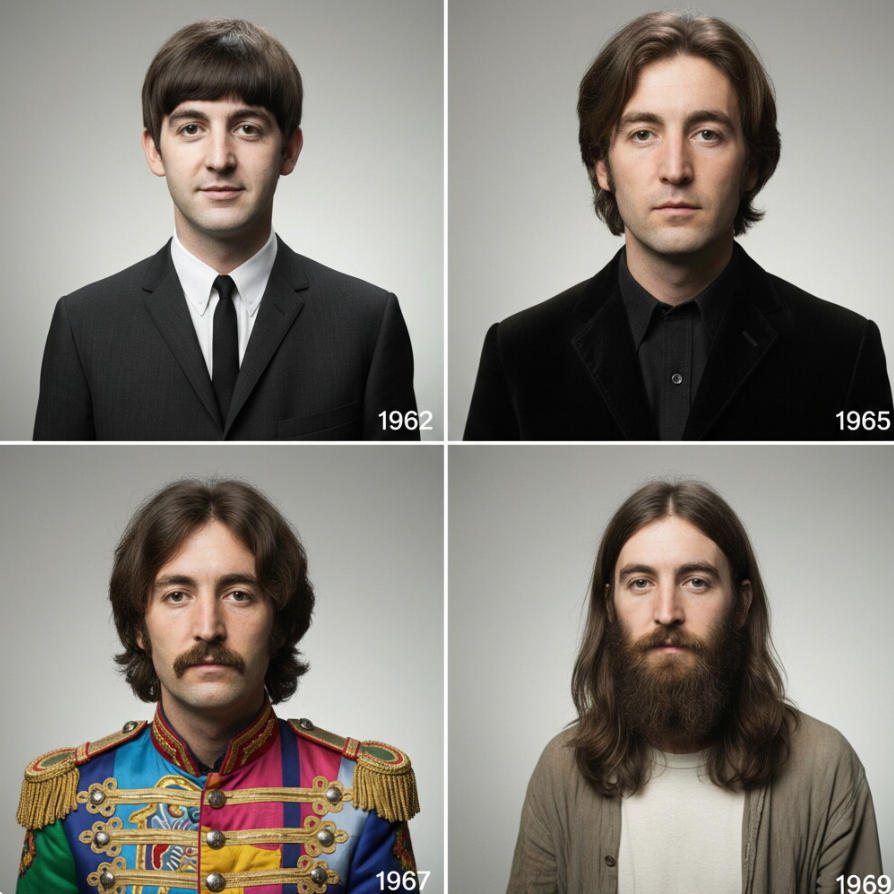
The Standard Mop-Top
Precision-cut, symmetrical, collar-grazing. The "shaggy bowl" that launched a million imitators.
The Rubber Soul Era
Longer, heavier, slightly disheveled. The "combed-forward" technique evolved into curtain-like fringe.
Sgt. Pepper Psychedelia
Mustaches entered the picture. Hair grew wilder, reflecting the band's experimental phase.
Abbey Road Freedom
Full hippie transformation. Long, flowing locks and substantial beards—symbols of countercultural identity.
Anatomy of the Mop-Top: A Technical Deconstruction
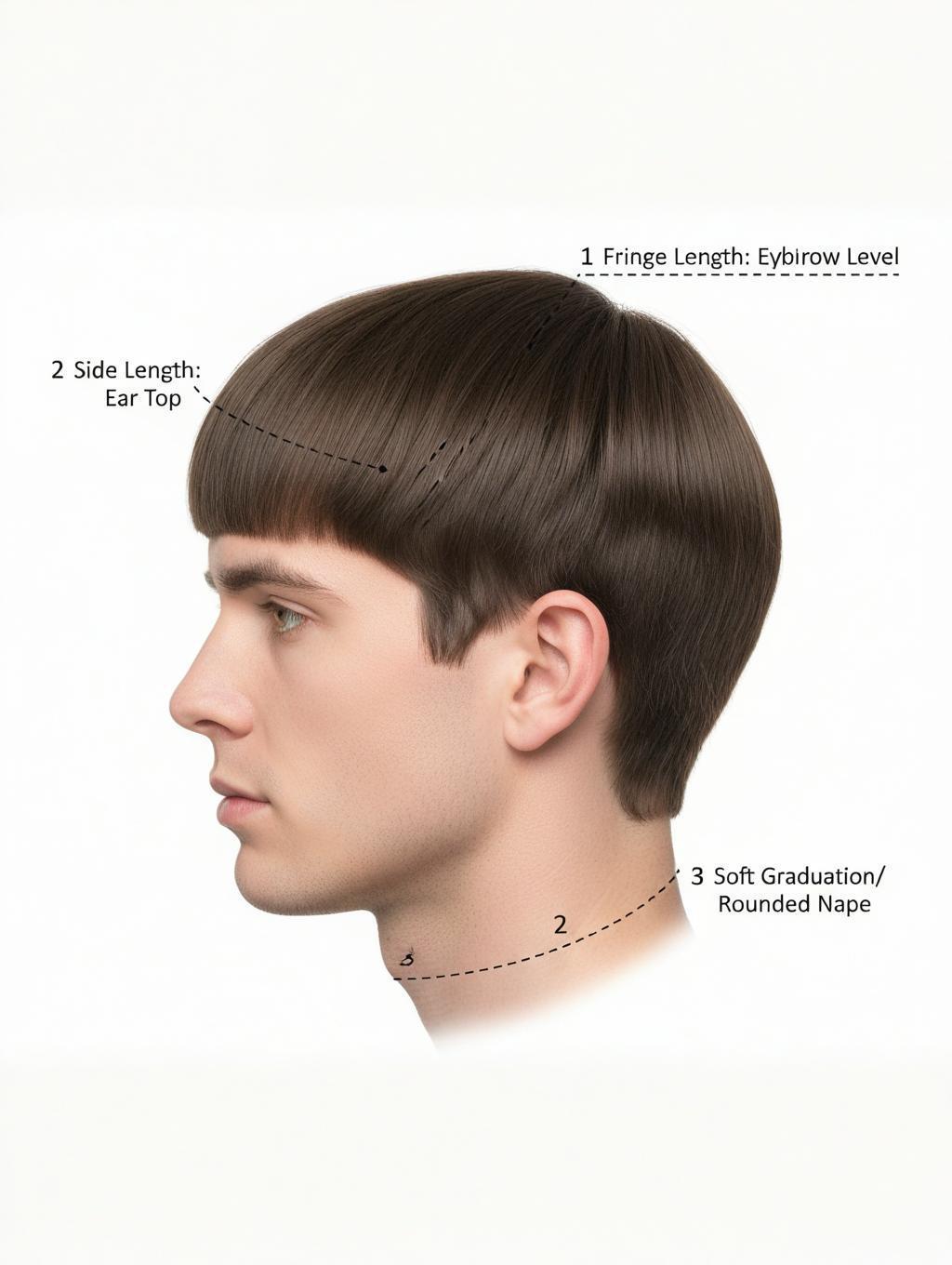
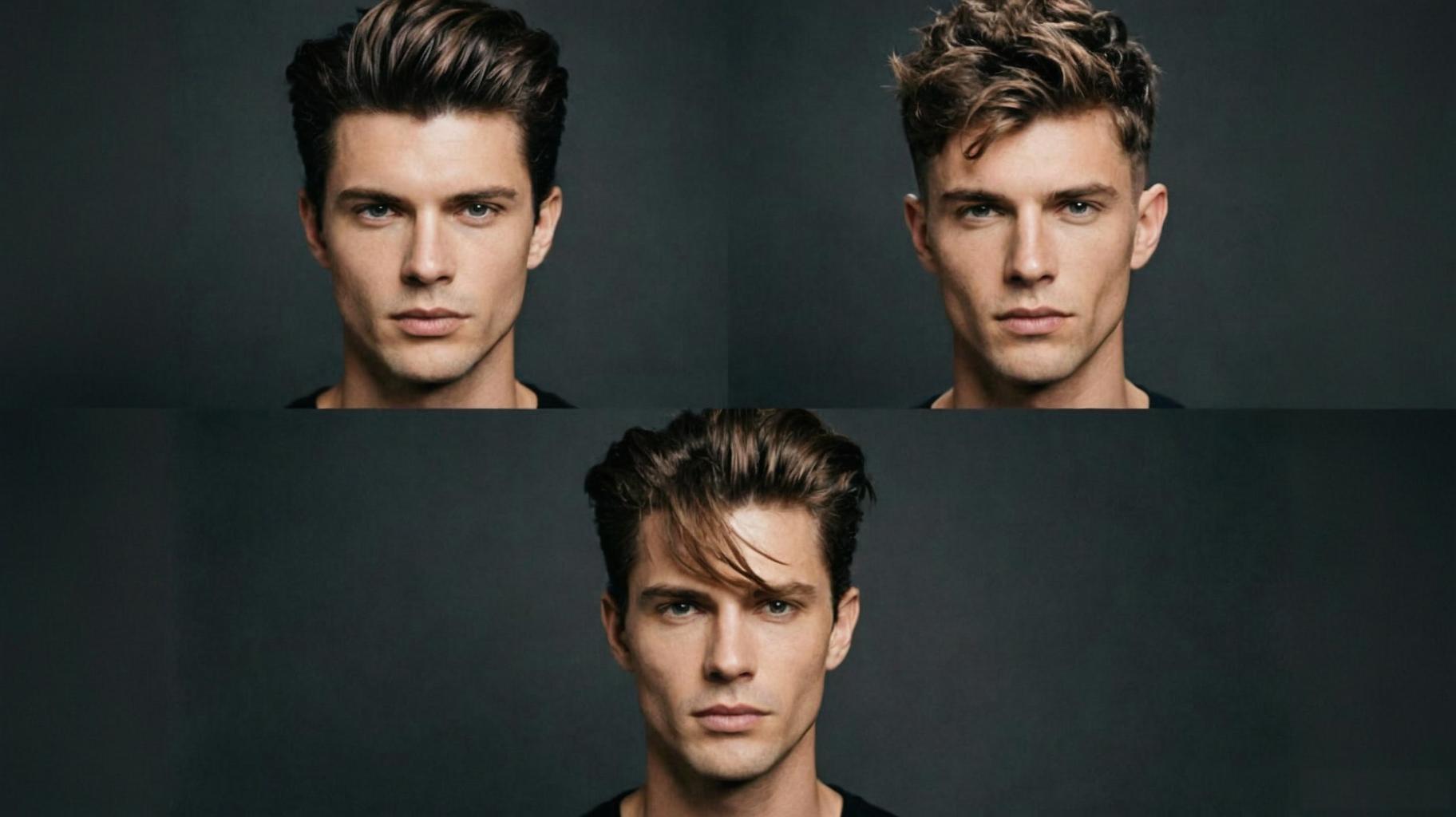
Technical side profile — Modern Mop-top recreation
Contrary to popular belief, the Mop-top is not a simple bowl cut. A bowl cut is blunt and uniform. The Mop-top, by contrast, is a sophisticated exercise in graduated layering—what stylists call a "disconnected cut."
The Bangs (Fringe)
Must fully cover the eyebrows when combed forward. This creates the signature "curtain" effect that frames the eyes.
The Sides
Should graze the tops of the ears, creating a soft, rounded silhouette that contrasts with the angular jawline of conventional cuts.
The Back
Touches the collar. This length is crucial—it's what made 1960s parents gasp, as "long hair on men" was still considered rebellious.
The Layering
Unlike a bowl cut, the Mop-top has subtle internal graduation. The top layers are slightly shorter, creating natural movement and preventing the "helmet" effect.
Pro Tip: The secret to an authentic Mop-top isn't precision—it's controlled imperfection. Use minimal product, and let natural texture create movement.
Face Shape Compatibility
Who can truly wear the Mop-top? Let science—specifically, our AI Face Shape Analyzer—be your guide.
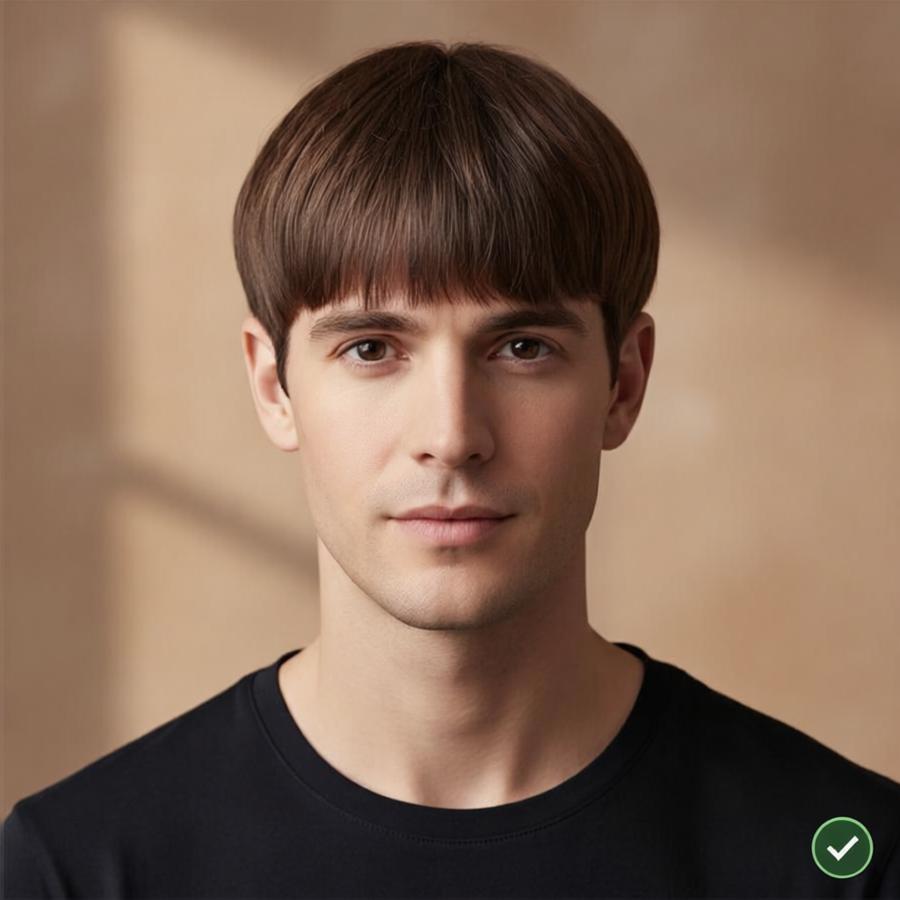
Long / Oval Face
The Mop-top is a revelation for longer faces. The horizontal fringe visually shortens the face, while the rounded sides add width where nature provided length. Harmony achieved.
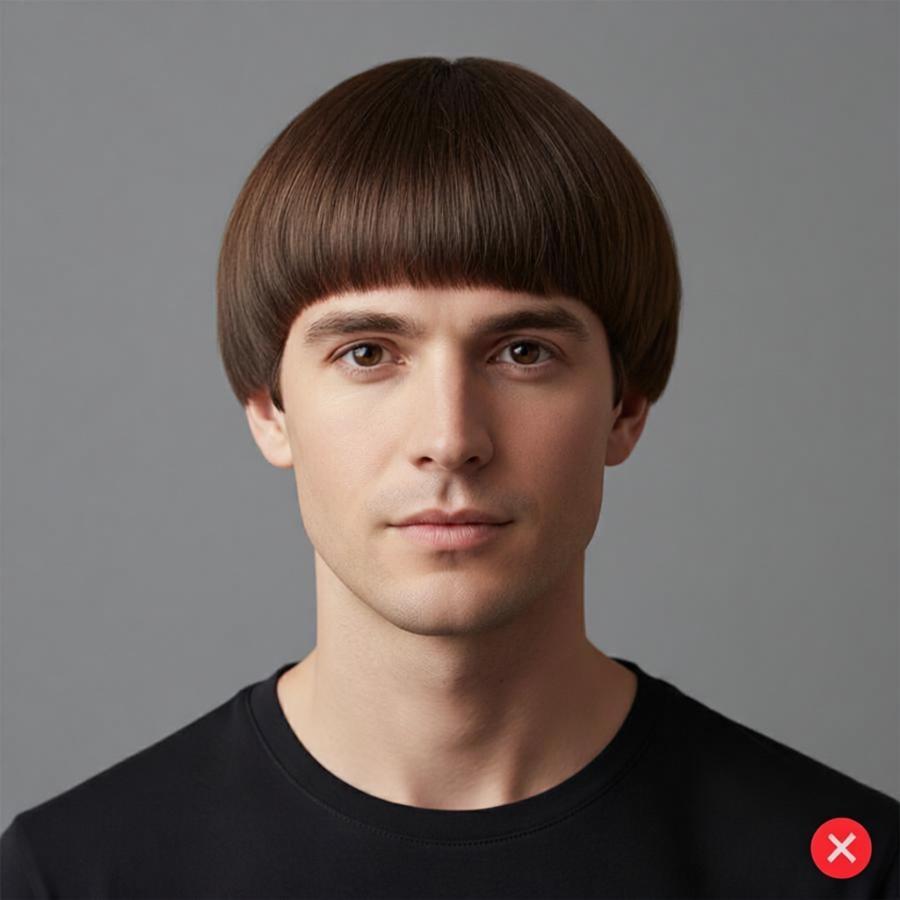
Round / Square Face
For rounder faces, the classic Mop-top can emphasize fullness. A modified version with higher layers and less volume on the sides creates better balance. Consult an AI analyzer before committing.
"Just as the Beatles' four-part harmonies pursued audio equilibrium, the Mop-top's geometry seeks visual balance—between volume and face shape, between statement and subtlety."
How to Wear It Without Looking Like a Tribute Band
The Mop-top has enjoyed recurring revivals—from 90s Britpop (Oasis, we're looking at you) to contemporary runway collections. But wearing it in 2026 requires a modern sensibility that distinguishes style from costume.
The Updated Approach:
- ▸ Add texture. The original was combed forward with precision. Modern versions benefit from matte paste and finger-styling for controlled dishevelment.
- ▸ Embrace asymmetry. A slightly longer fringe on one side adds contemporary edge to the classic symmetry.
- ▸ Pair with modern grooming. Clean-shaven or well-maintained facial hair prevents the look from reading as period-specific.
- ▸ Skip the suit. Unless you're genuinely in a tribute band, pair with contemporary casual wear—think layered knits, not collarless jackets.
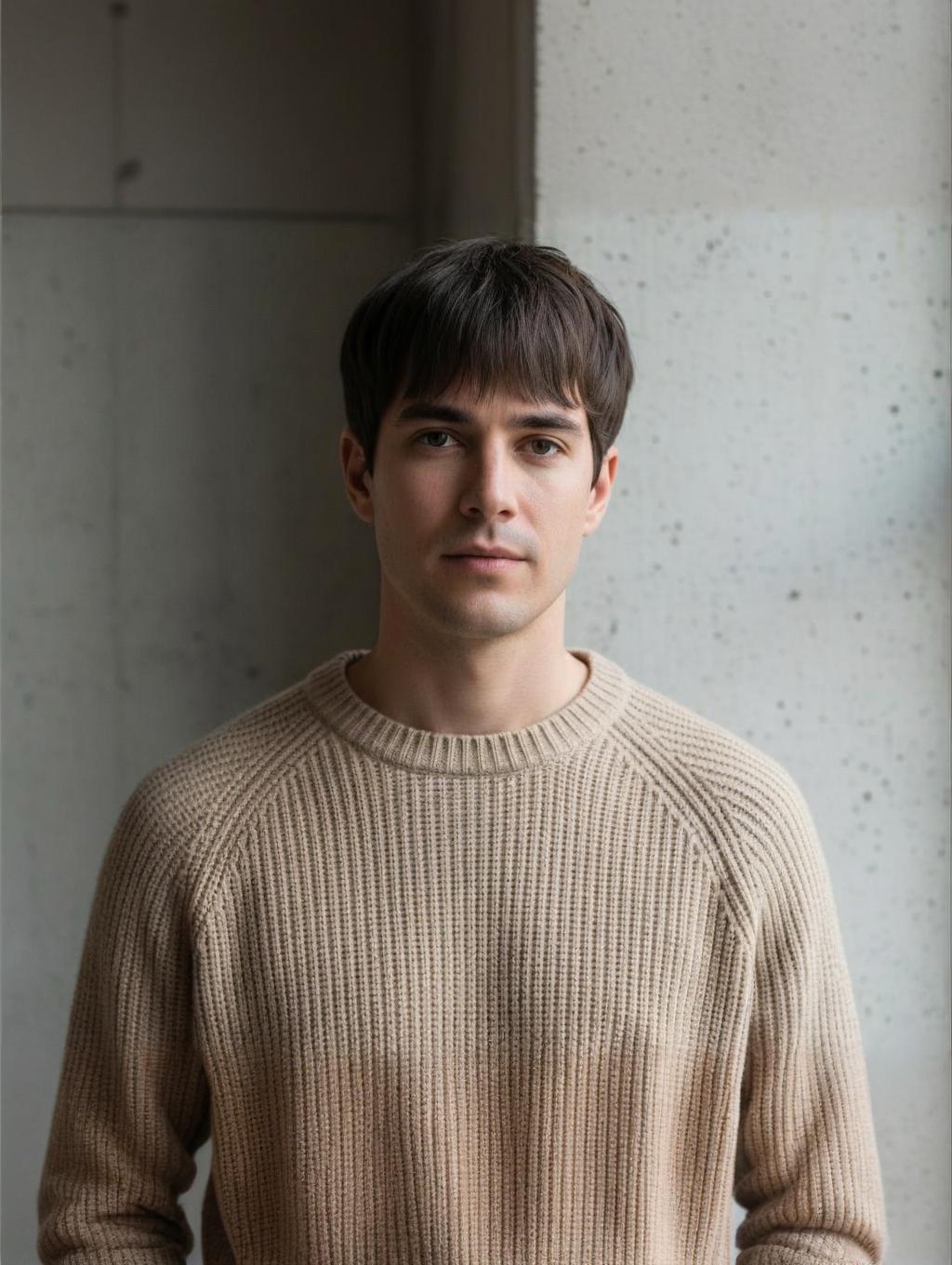
Before You Book the Barber, Try the Simulator
The Beatles changed music forever—but they also changed how men thought about hair. In 2026, you have a tool they never dreamed of: AI-powered visualization. See yourself in the Mop-top before making the commitment.
Try the Mop-Top on TryHair.aiTimeless Melody, Timeless Hair
The Beatles' music transcended generations. Their most famous hairstyle has proven equally enduring. From Hamburg's smoky clubs to modern AI-powered styling tools, the Mop-top represents something universal: the courage to defy convention and express individuality.
Whether you're drawn to its historical significance, its geometric elegance, or simply the romance of the 1960s, the Mop-top remains a testament to the power of personal style. In 2026, you can explore that legacy without commitment—one virtual transformation at a time.
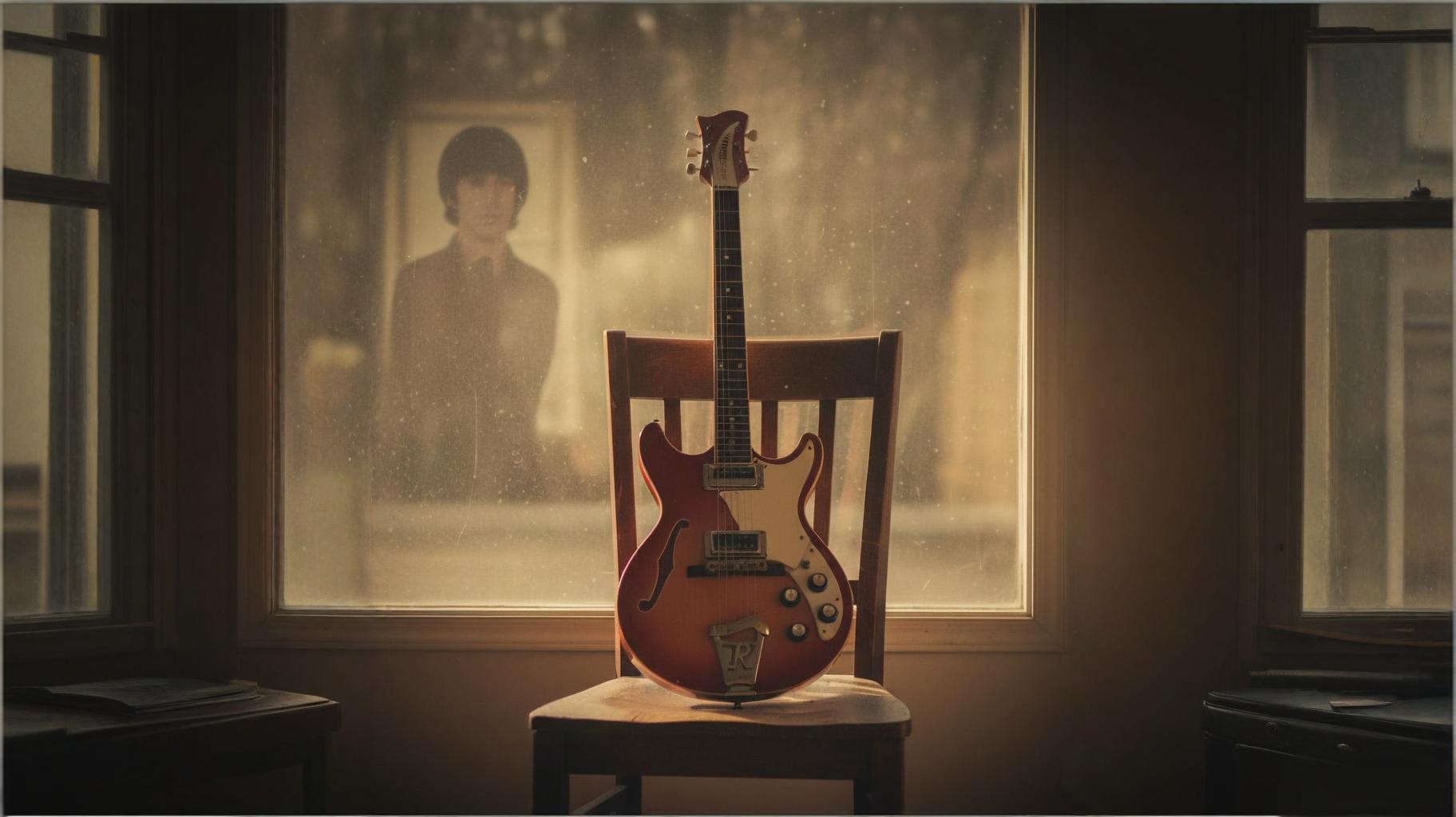
The legacy lives on—music, style, and the freedom to be different.