The Oval Face: The Universal Canvas
Having an oval face is like holding a backstage pass to every hairstyle in the game. Your balanced proportions — no extreme angles, no jarring contrasts — mean that almost every cut, from blunt bobs to cascading waves, sits beautifully on your head. You're not playing defense, masking anything or compensating for "problem areas." You're curating a look. In 2026, that's more relevant than ever: the trend is toward natural symmetry and high-tech personalization, and nothing suits both better than an oval face.
The defining traits: a forehead slightly wider than the chin, cheekbones as the widest point, and gently rounded edges throughout — no sharp jaw angles or narrow temples throwing off the balance. Think of the golden ratio — and no, that's not hyperbole. Stylists literally measure it.
Why Hairstyle Choice Still Matters
Here's the thing: just because you can wear anything doesn't mean every cut optimizes your face. The goal isn't to hide — it's to highlight. Oval faces already have natural architecture: defined cheekbones, a graceful jawline, and balanced vertical proportions. The right haircut makes those features pop. The wrong one dilutes them. So while your options are wide open, the margin between "great" and "forgettable" is real. Let's make sure you land in the right column.
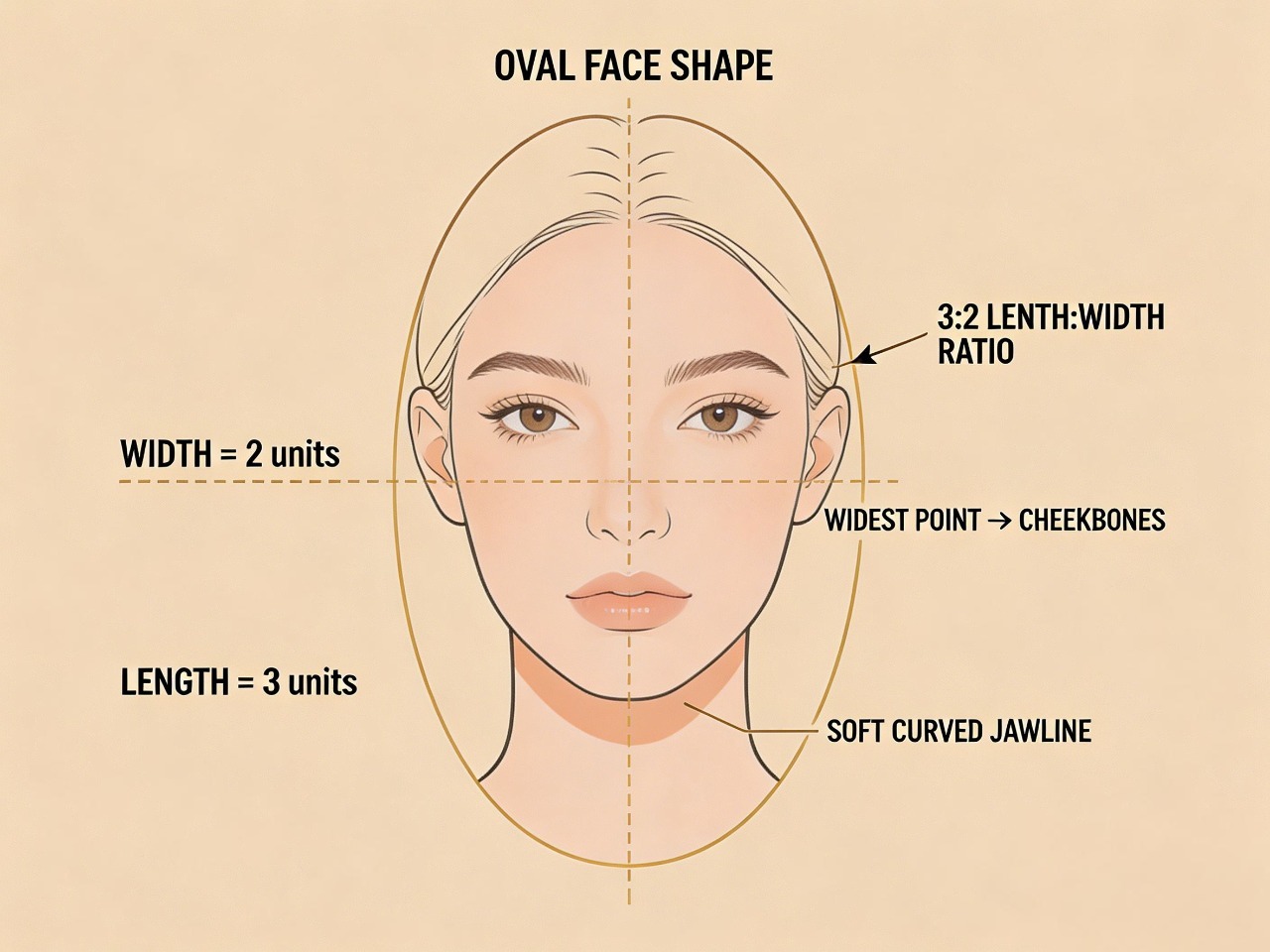
The oval face: nature's most versatile canvas. Length-to-width ratio ≈ 3:2, with cheekbones as the widest point.
The 7 Game-Changing Styles
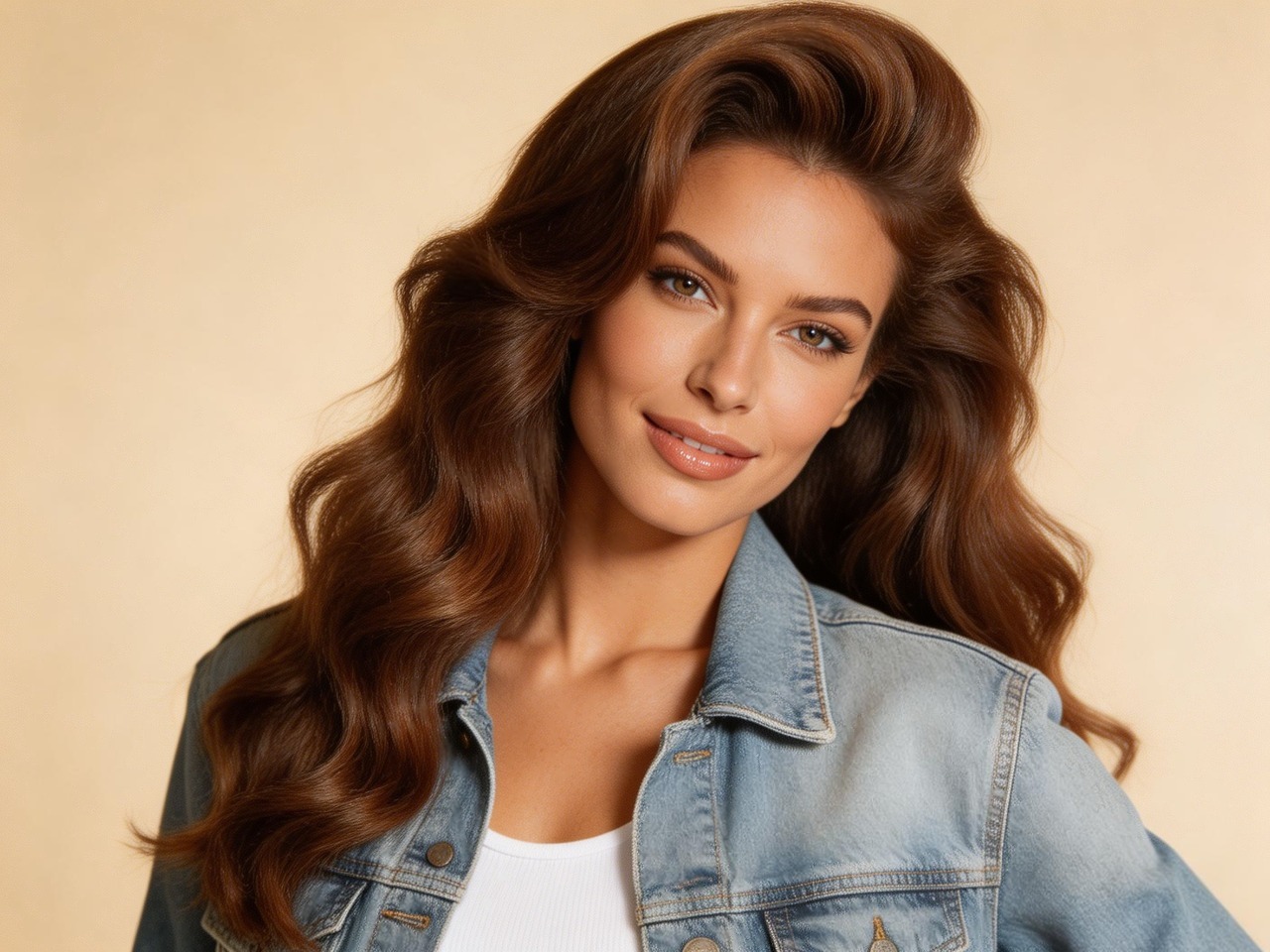
90s Supermodel Blowout
This is the haircut that made Cindy Crawford, Naomi Campbell, and Christy Turlington absolutely untouchable — and it's having a full comeback in 2026. The key is voluminous roots and soft, cascading waves that start at mid-shaft. The blowout adds a natural lift at the crown that draws the eye upward, perfectly complementing the oval face's vertical proportions. It's polished, it's powerful, and it works with everything from silk blouses to weekend denim.
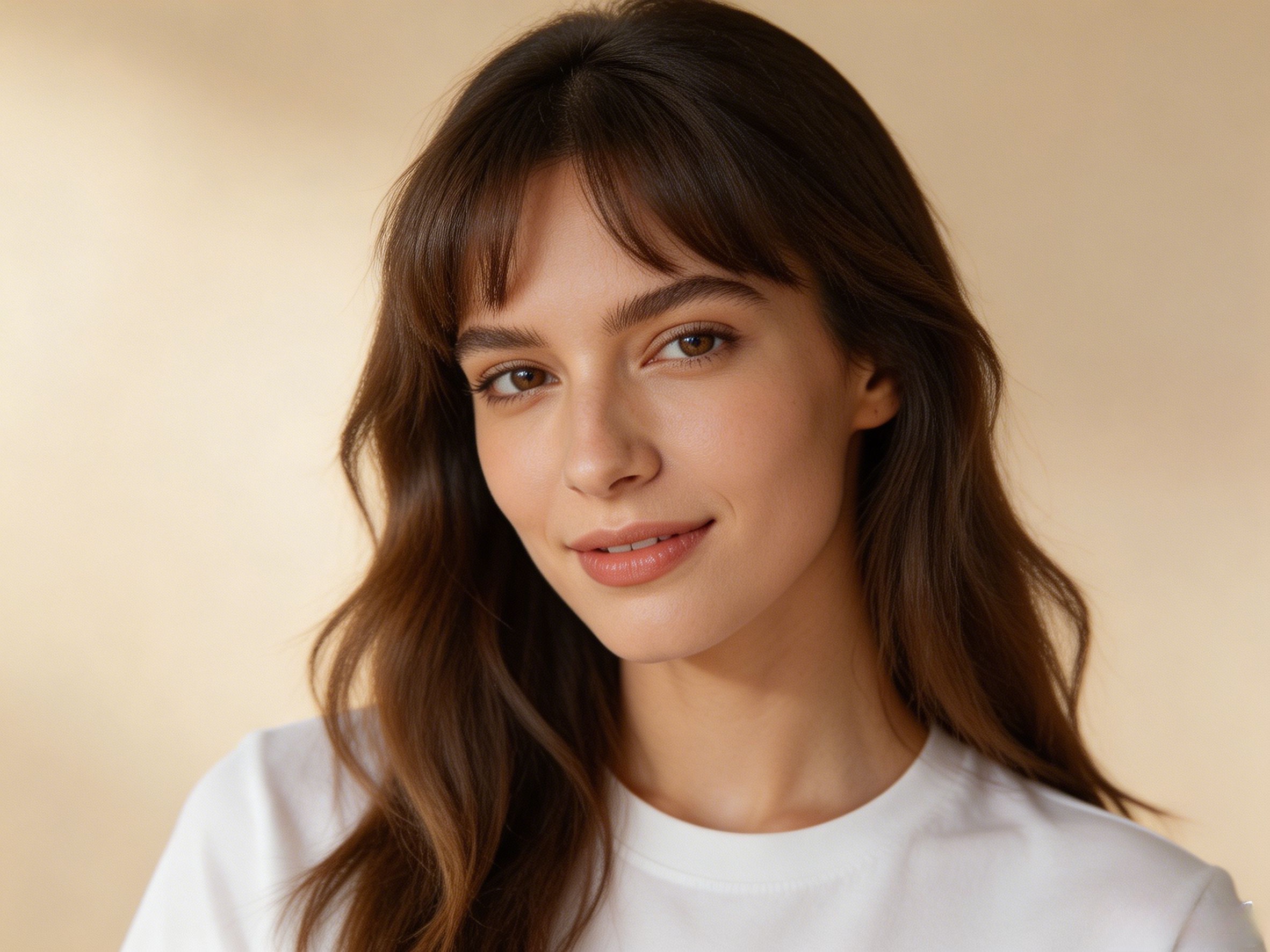
The Birkin Bangs
Named after the eternal Jane Birkin, this look is the definition of "I woke up like this" — except it took careful precision to get there. The bangs fall just above the eyebrows with a soft, slightly uneven texture that feels natural rather than manufactured. Paired with long, face-framing layers, it softens already-gentle features and adds a lived-in texture that frames the oval face beautifully. It works across hair textures and is especially flattering on oval faces with a higher forehead.
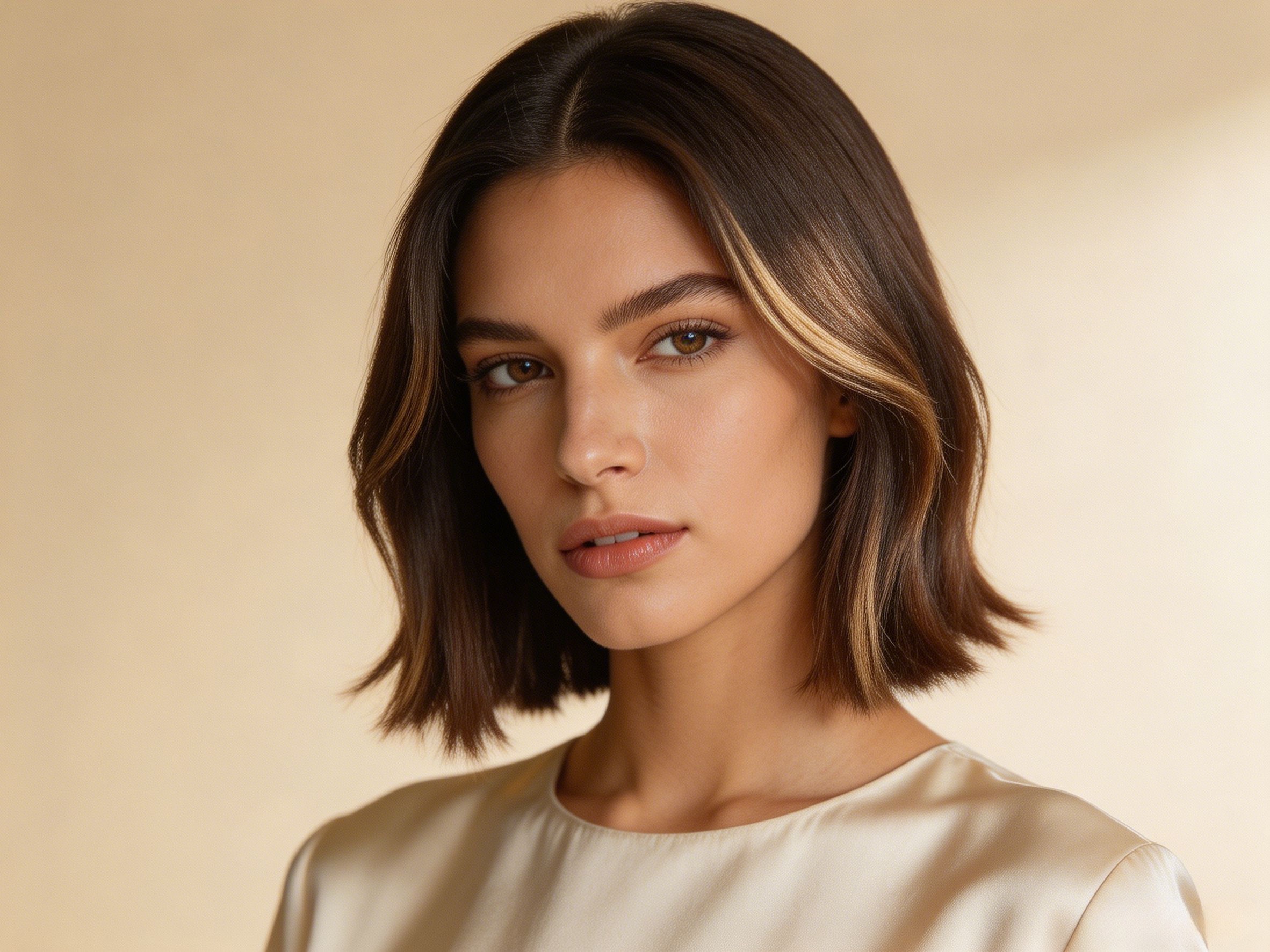
The Italian Bob
The Italian Bob is longer than a traditional bob — landing somewhere between the chin and collarbone — with clean, softened edges that give it an effortless edge. Think of the hair from a Milan runway: slightly undone, unbelievably chic. The length hits at the perfect point to accentuate the oval jawline while giving enough weight for movement. Pair it with a middle part and subtle highlights around the face for dimension. It's the haircut that says "I have a personal stylist" while insisting you just woke up like this.
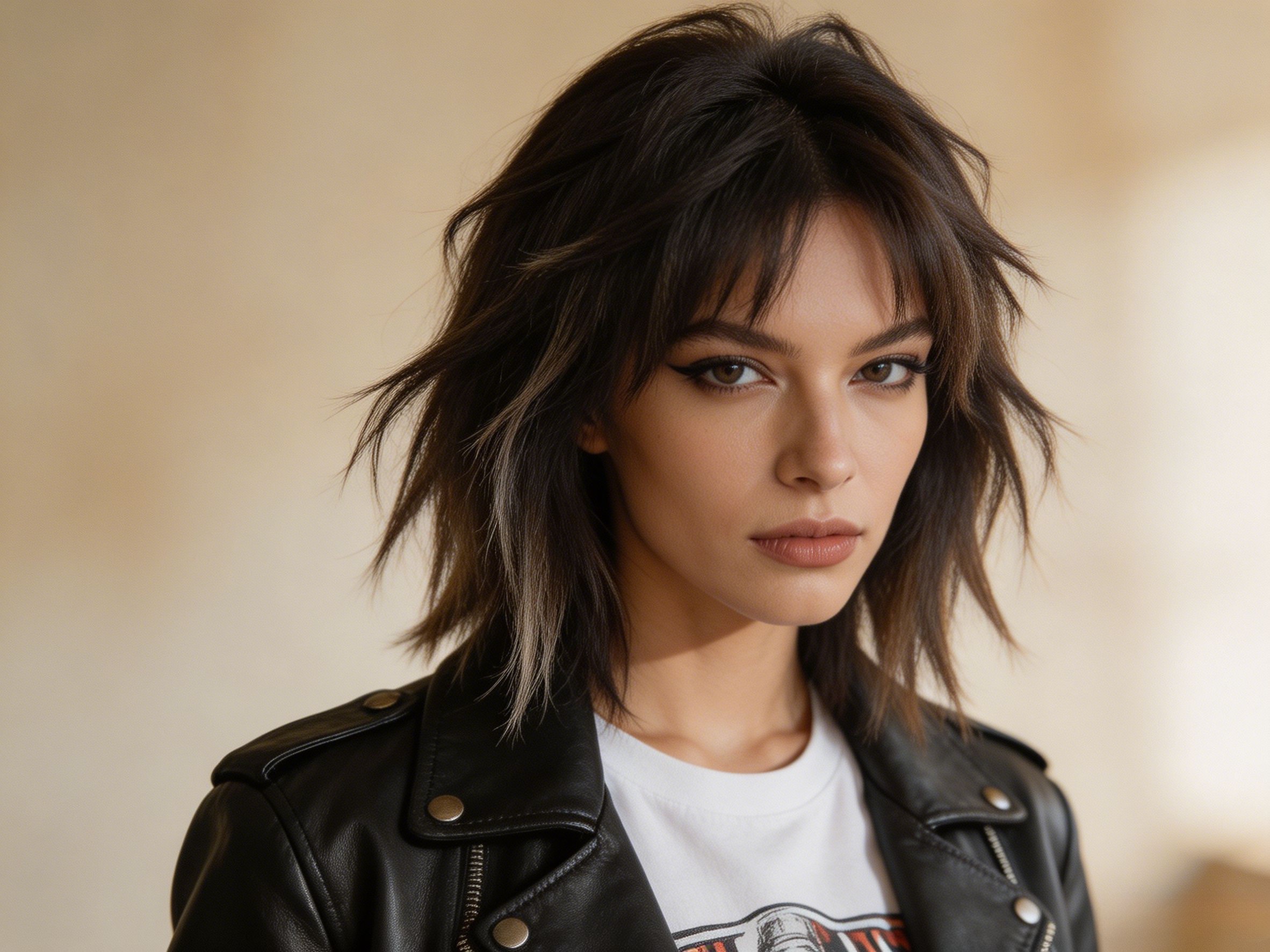
The Wispy Shag / Wolf Cut
If the 90s blowout is structured elegance, the Wolf Cut is its cool younger sibling — layers on layers, wispy ends at the perimeter, and a top that somehow achieves natural height without any product. It works especially well on oval faces because the multiple layers create movement that draws attention to the cheekbones and jawline — the parts of an oval face that deserve the spotlight. It suits wavy and straight hair equally, and grows out gracefully, which is more than most cuts can say.
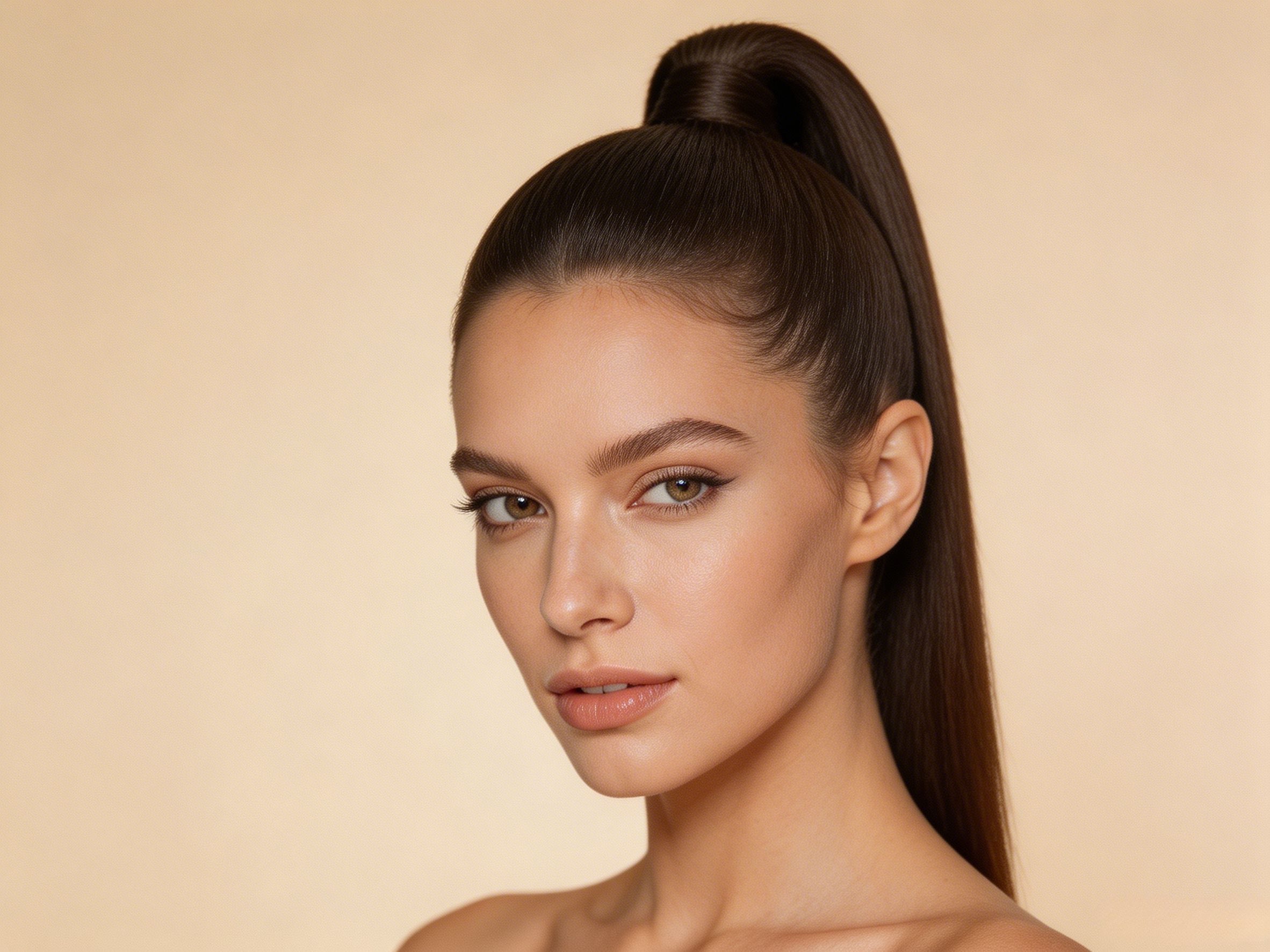
Sleek High Ponytail
Here's a truth no one tells you: oval faces are the only face shapes where a high ponytail is genuinely transformative. The reason? The elongation effect. When your face is already balanced in its proportions, pulling the hair up high creates a vertical line that extends the forehead-to-chin distance without distorting it. The result is a jawline that suddenly looks more defined, cheekbones that catch the light differently, and a silhouette that works from every angle. No other face shape gets this benefit.
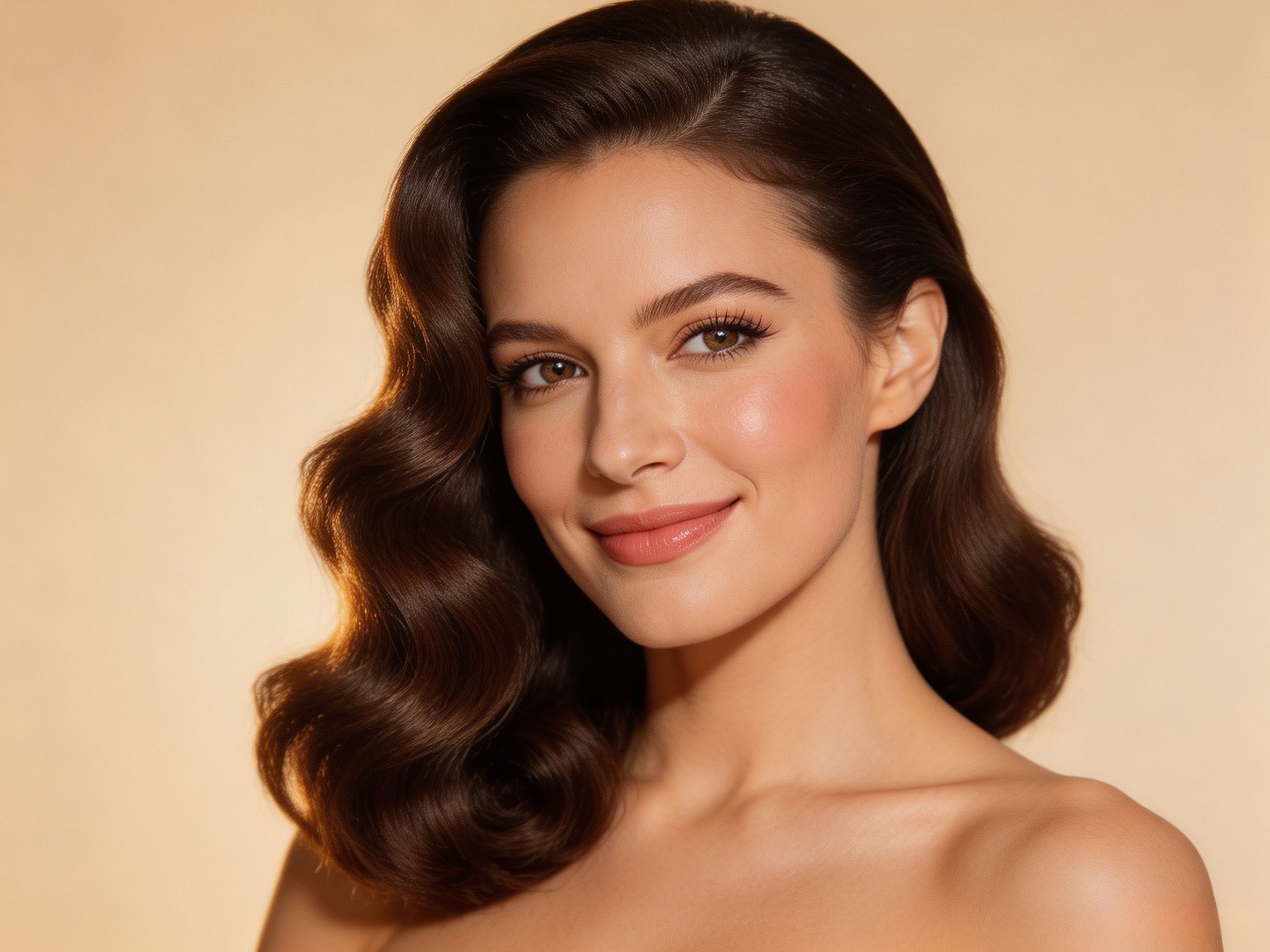
Side-Swept Hollywood Waves
Deep side parts + large, barrel-curled waves = the most reliable formula in celebrity hair history. On an oval face, the deep side sweep creates an asymmetrical visual weight that adds interest to a face shape that is naturally symmetrical. The waves are structured enough to look polished but soft enough to feel approachable. This is the haircut you'll see on every actress when she's doing junket press — because it photographs from every angle, in every lighting, on every skin tone.
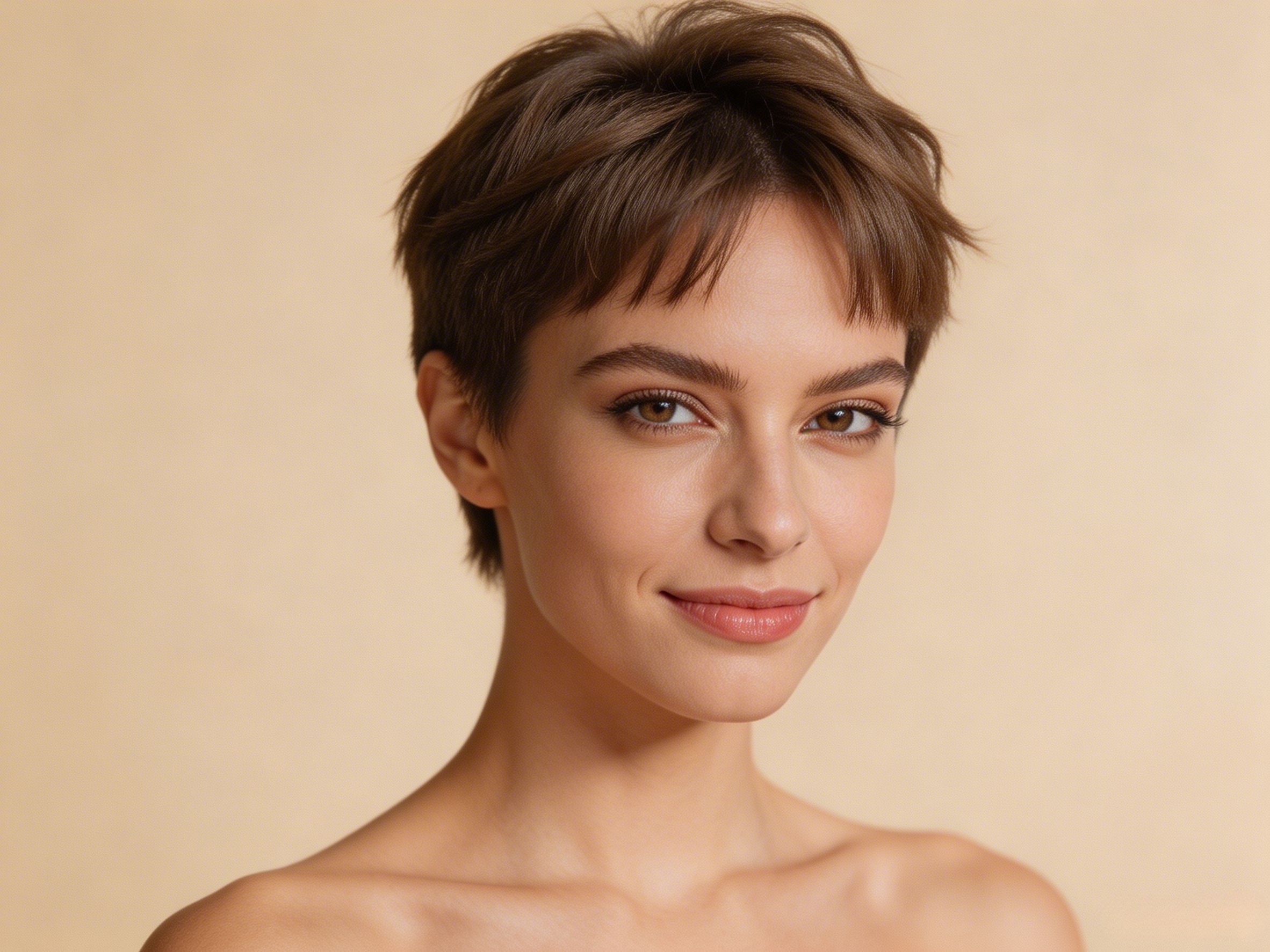
Soft Pixie with Micro-Fringe
A pixie cut on an oval face isn't a risk — it's a power move with a guarantee. With no extreme angles to fight against, the micro-fringe sits perfectly above the brow, opening up the forehead slightly to emphasize the face's verticality. The cropped sides and nape keep the look sharp and modern, while the soft texture at the crown prevents it from looking severe. If you've never been short before, 2026 is the year to try it — oval faces have the best "short hair ROI" of any face shape.
- Add face-framing layers to emphasize cheekbones
- Experiment with a deep side part for extra dimension
- Go bold with a pixie — you can handle it
- Add volume at the crown to balance vertical proportions
- Try highlighted strands near the face for a natural glow
- Avoid ultra-flat top volume — it can stretch the face too much
- Don't over-layer near the chin — it softens the jawline unintentionally
- Skip curtain bangs if you have a very long face — they add horizontal bulk awkwardly
- Steer clear of single-length cuts with no movement — they can flatten the silhouette
Expert Tips: Balancing Your Proportions
Even with the most versatile face shape in the game, a few subtle rules will help you fine-tune your look to perfection. Stylists who've worked on hundreds of oval-faced clients over the years have converged on these key principles:
Avoid over-elevating the crown. It sounds counterintuitive — everyone says volume is good. But if your face is already long-ish, stacking height on top actually elongates the visual effect of the forehead, making the face look longer than it is. Keep crown height moderate and invest the volume elsewhere.
Start your layers at the chin or cheekbones. This is the most versatile starting point for oval faces: it creates movement exactly where the face needs it most (around the cheekbones and jawline) without pulling the eye downward to less flattering points. Ask your stylist for "face-framing layers starting at chin level" and they'll know exactly what you mean.
The part matters more than you think. Oval faces are among the few that genuinely support both center and side parts. But if your forehead is on the taller side, a side part adds horizontal weight and visually reduces height. If your forehead is shorter, a center part maintains that balance.