Considering locs? Learn the main starting methods, realistic timelines and maintenance needs before choosing the approach that fits your hair type.
The Ultimate Guide to Dreadlocks
How to start locs, which methods suit each hair type, and how to care for them as they mature.

Dreadlocks—often called “locs”—are among the world’s oldest and most spiritually significant hairstyles. From ancient Egypt and India to Rastafarian communities in Jamaica, locs have symbolized devotion, resistance, and authenticity.
People choose locs for many reasons, including culture, spirituality, fashion and personal expression. Before beginning, it helps to understand how texture affects the locking process and what long-term care involves.
This guide gives you honest, practical answers—and a way to try them risk-free.
What Exactly Are Dreadlocks?
Dreadlocks are rope-like strands formed when hair naturally mats or is intentionally twisted over time. Despite the misleading name, healthy locs are clean, intentional, and meticulously maintained.
“Locs are not neglect—they are nurture.”
Watch: Styling Straight Hair into Dreadlock-Like Looks
Note: This video demonstrates a temporary styling technique for straight hair using braiding and heat—often called "faux locs." It’s different from natural dreadlocks, which form over months through matting or twisting.
Quick styling hack for straight hair (not permanent locs)
How to Start Dreadlocks: 4 Proven Methods
Your hair type determines the best approach. Here’s a comparison:
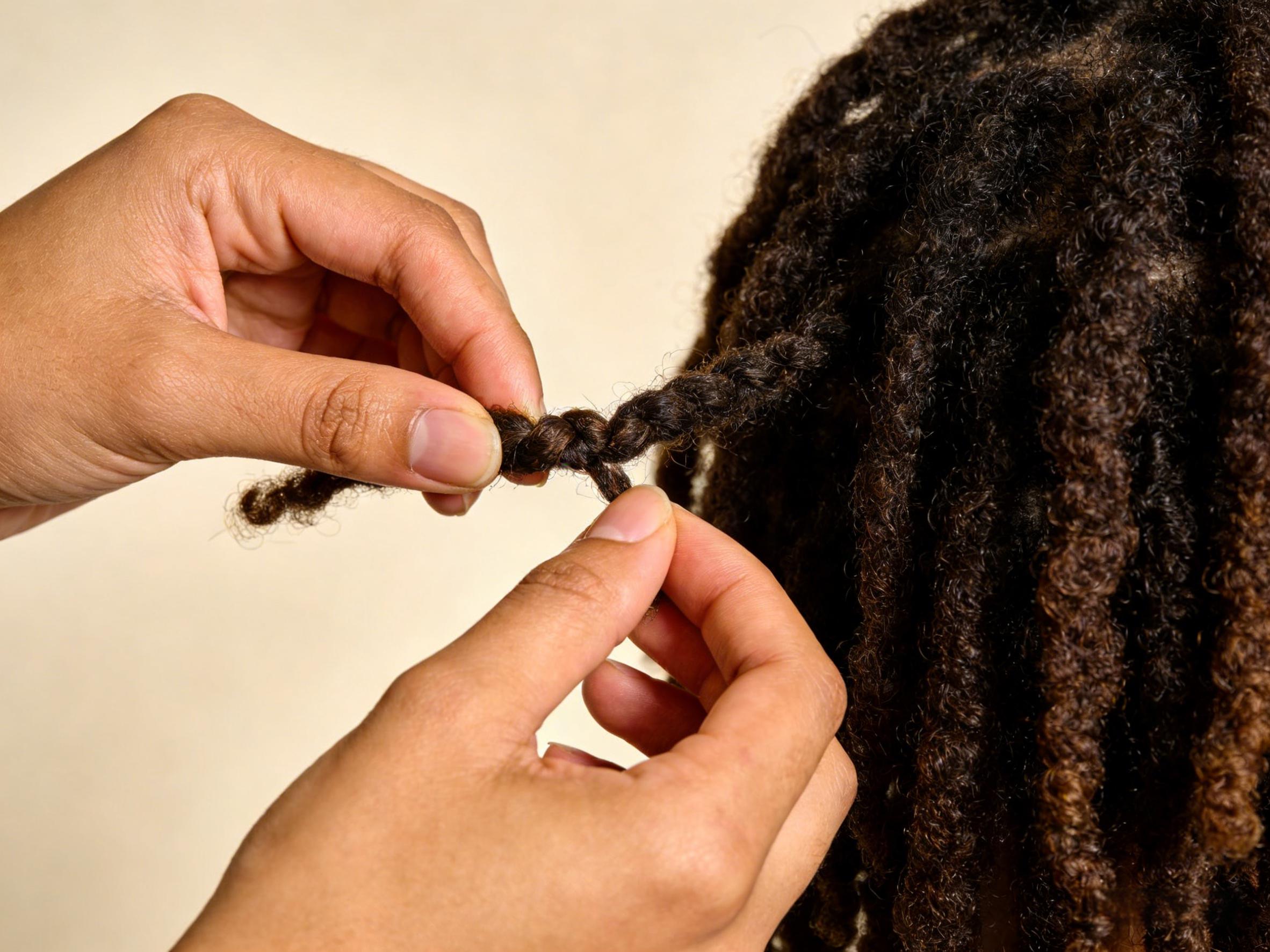
1. Twist & Rip
Best for Type 4 (coily) hair. Low manipulation, natural look.
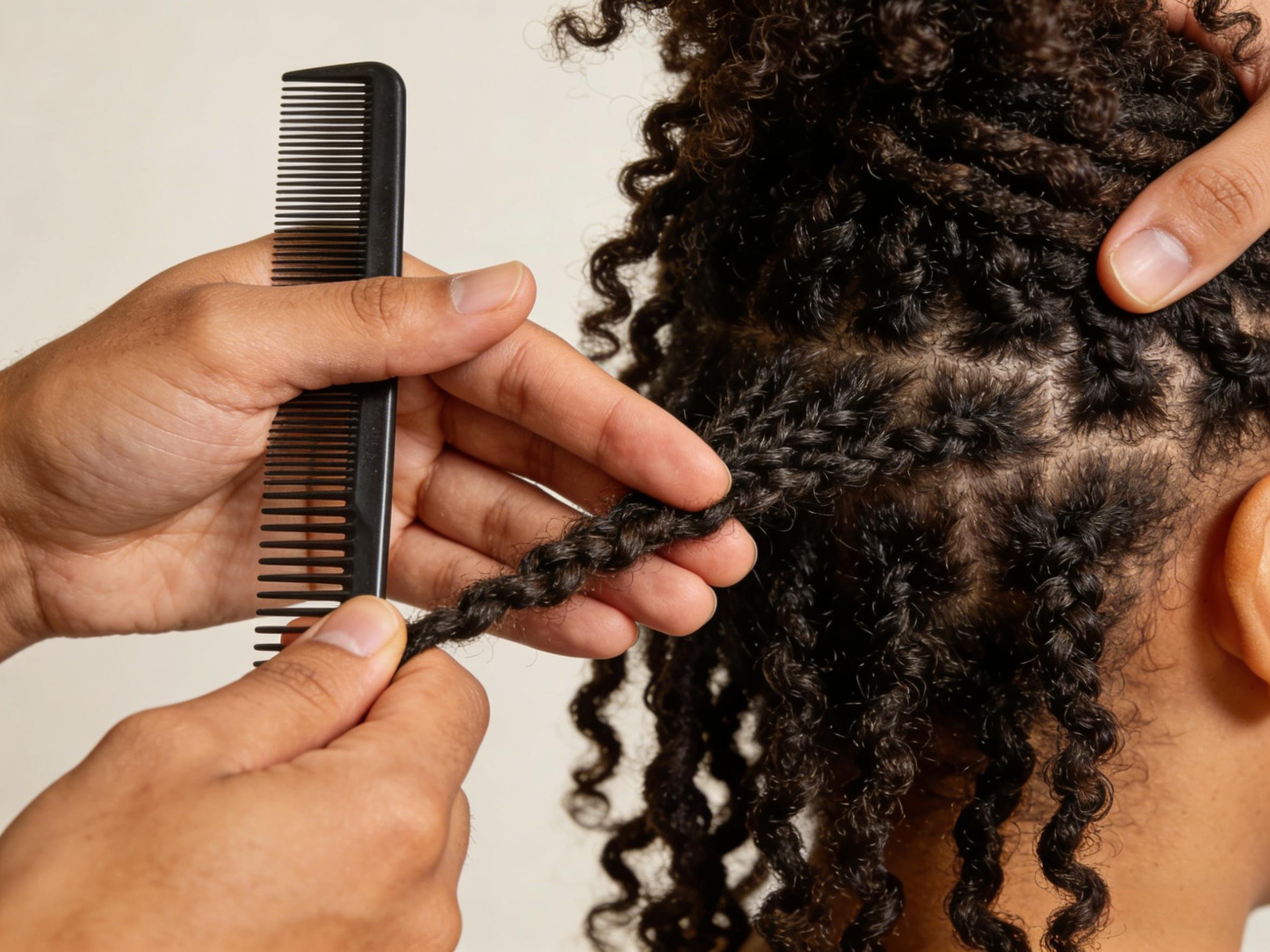
2. Backcombing
Ideal for wavy/curly hair. Creates dense, uniform locs.
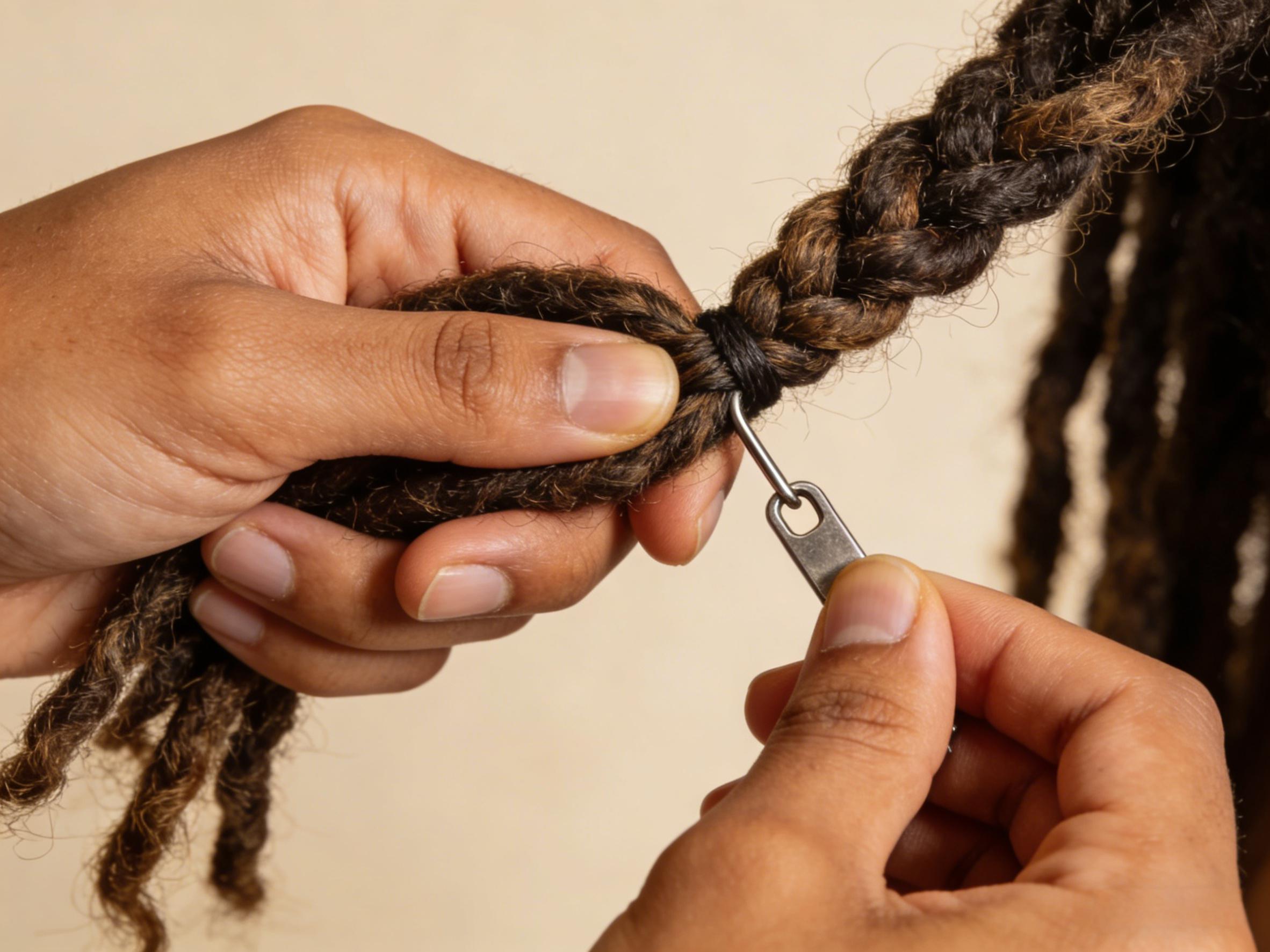
3. Interlocking
Uses a latch hook. Great for fine control and maintenance.
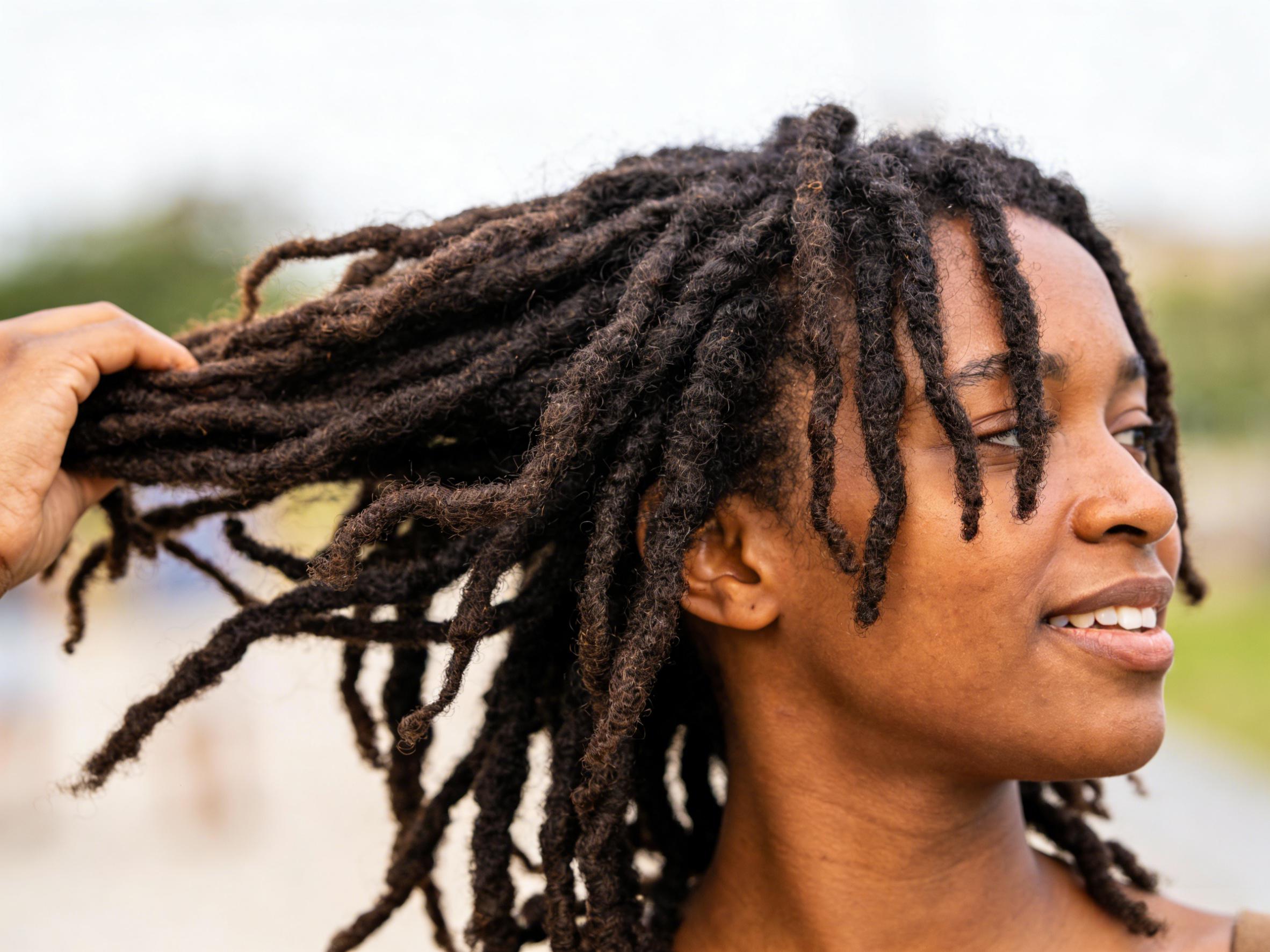
4. Freeform
Let hair lock naturally. Unpredictable but authentic.
💡 Avoid wax or gels! They cause buildup and slow the locking process. Use residue-free shampoos only.
Who Can Wear Dreadlocks? Hair Type Guide
While anyone can grow locs, success varies by hair texture:
| Hair Type | Locking Ease | Notes |
|---|---|---|
| Type 4 (Coily/Kinky) | ★★★★★ | Locks fastest. Minimal product needed. |
| Type 3 (Curly) | ★★★★☆ | Good results with backcombing or interlocking. |
| Type 2 (Wavy) | ★★☆☆☆ | Slower process. Requires patience (12–24 months). |
| Type 1 (Straight) | ★☆☆☆☆ | Very difficult. Consider synthetic extensions. |
Curious How Locs Would Look on You?
Don’t guess—see it. Our AI tool generates realistic dreadlock previews on your photo in seconds.
Try Dreadlocks NowIs This Right for You? Key Considerations
- Time Commitment: Full maturity takes 1–2 years.
- Maintenance: Wash every 1–2 weeks, dry thoroughly, palm-roll roots.
- Social Perception: Still stigmatized in some workplaces—know your environment.
- Cultural Respect: If you’re not from African, Rastafarian, or Hindu traditions, educate yourself and avoid appropriation.
Try Before You Commit
Starting locs is a journey—but you don’t have to take the first step blind. See your face with authentic, AI-generated dreadlocks in under a minute.
Launch Virtual Try-OnNo download • No signup • 100% free
Written by
Founder of AI Hair Studio. Helping you explore hairstyles with confidence—powered by AI.