That Silhouette Changed the World
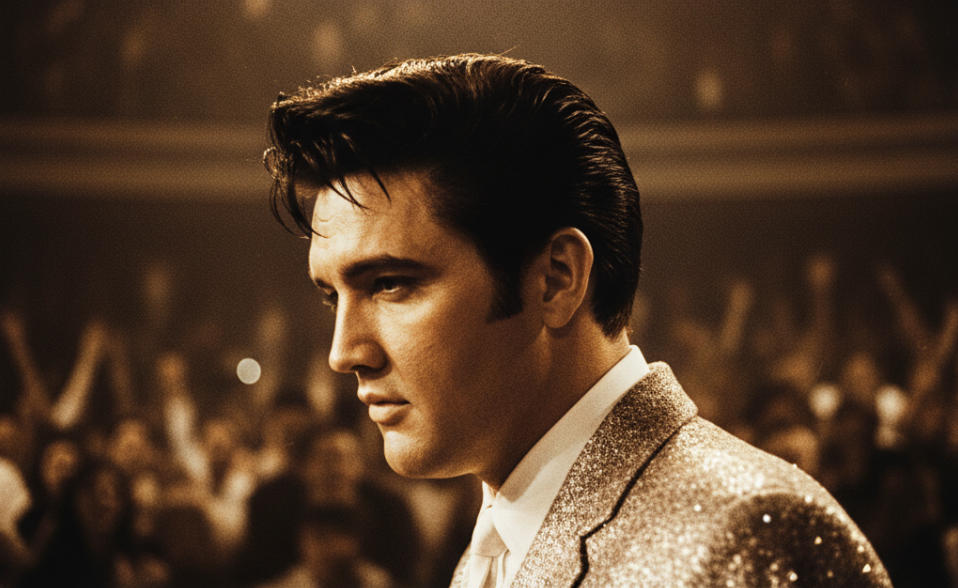
The year was 1954. A young truck driver from Tupelo, Mississippi walked out of Sun Records in Memphis with a sound that would rattle the foundations of American culture. But Elvis Presley didn't just bring rock 'n' roll into the world—he brought with him a silhouette that would make parents gasp and teenagers swoon in equal measure.
The pompadour wasn't invented by Elvis. It had been worn by women in the 18th century, named after Madame de Pompadour, mistress of King Louis XV. But when Elvis added his signature volume, the rebellious ducktail, and enough pomade to make it gleam like a polished Cadillac, he transformed it into something entirely new: the ultimate symbol of masculine defiance.
This wasn't just a hairstyle. It was architecture. It was attitude. It was a crown that any working-class kid could grow and shape with patience and product. In an era of crew cuts and conformity, the Elvis pompadour whispered of danger, sexuality, and a kind of cool that couldn't be taught—only worn.
"When I first saw Elvis, it wasn't just the music. It was the hair. It was like he'd discovered gravity and decided to defy it."— A Fan's Testimonial, 1956
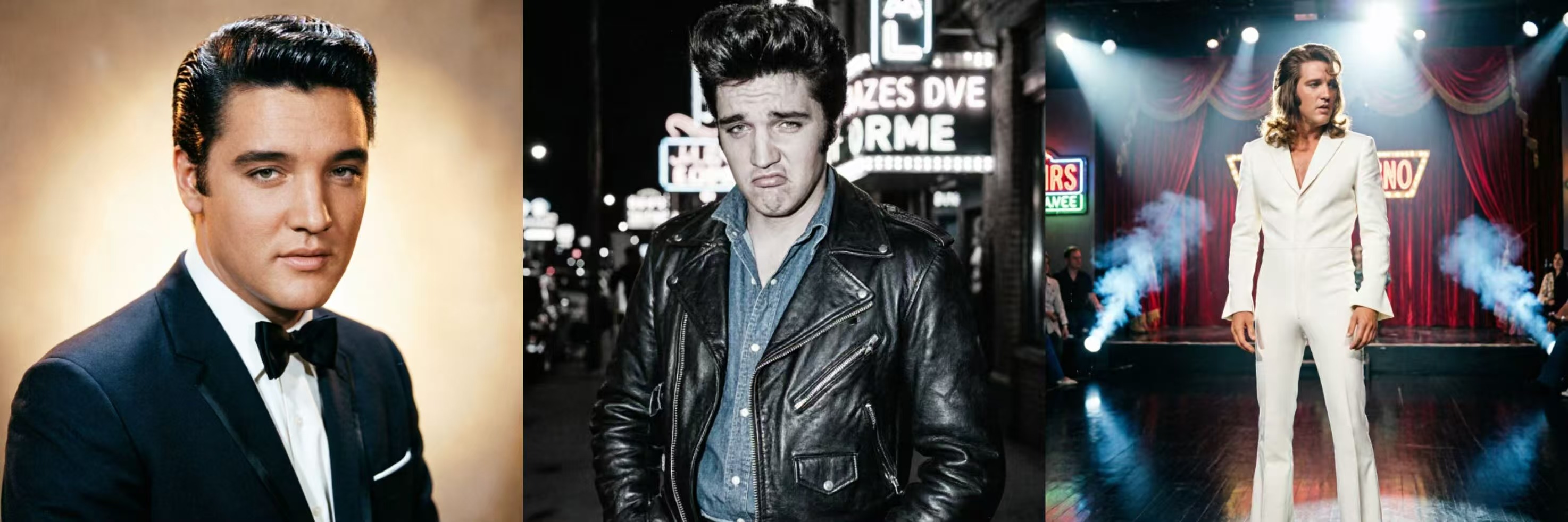
The Three Lives of the King's Hair
Rebellion in Motion
The original. Natural texture with controlled chaos. Elvis's early pompadour was less sculpted than what would come later—it had movement, a slight messiness that suggested he'd just rolled out of a '52 Chevy and didn't care what you thought. The sides were slicked back but not tight, and the ducktail in back was pronounced but organic. This was the hair of a man who worked with his hands and played with his hips.
Hollywood Precision
As Elvis transitioned from rock 'n' roll rebel to Hollywood leading man, his hair evolved into something more architectural. The volume increased, the shape became more defined, and the overall effect was one of sculpture. This was hair as luxury—perfectly maintained, impossibly shiny, the kind of coif that suggested both Old Hollywood glamour and modern masculine confidence. The sides were tighter, the top more dramatic.
Las Vegas Grandeur
The final evolution. By the time Elvis was selling out Vegas showrooms nightly, his hair had become almost theatrical in its proportions. The volume was immense, the sideburns had grown into their own statement piece, and the overall effect was pure spectacle. This was the hair of a king who knew his crown mattered as much as his voice. Some would call it excessive. Elvis called it show business.
Anatomy of the King's Crown
Before you pick up a comb, understand this: the Elvis pompadour is not a hairstyle you get at a chain salon in fifteen minutes. It requires length, patience, and an understanding of how hair behaves when pushed to its structural limits.
Length Requirements
- Top: 4-6 inches minimum for authentic volume
- Sides: 2-3 inches, tapered but not faded
- Back: Long enough to form the signature V-shape
The Soul: The Ducktail (DA)
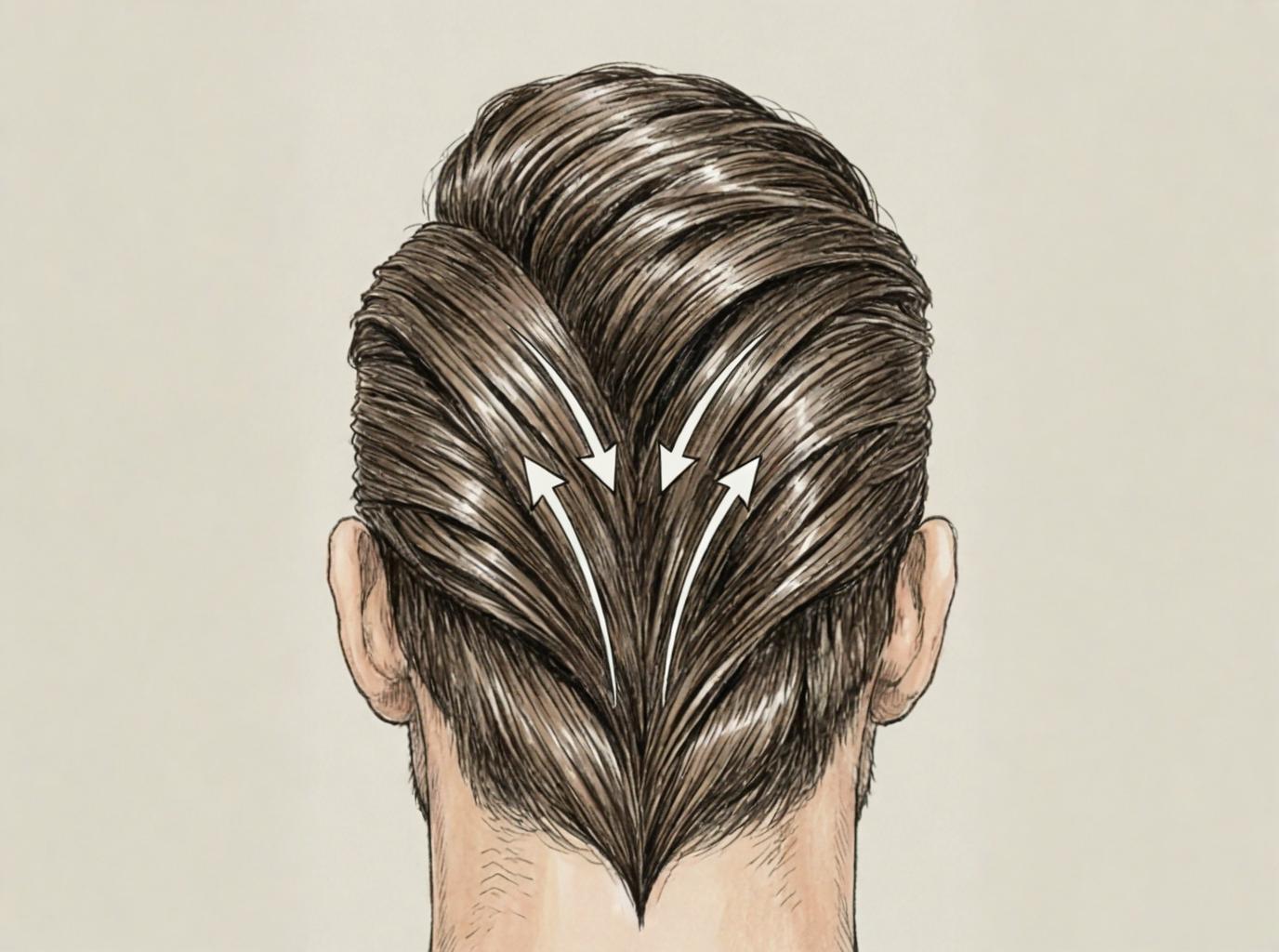
The ducktail—or "DA" as it was known in barber shops across America—is the unsung hero of the Elvis pompadour. While the front gets all the attention, it's what happens at the back of the head that separates a true rockabilly from a guy with high hair.
The technique involves combing the hair from both sides of the back of the head toward the center, creating a seam where the two sides meet. This forms a V-shape that resembles—well, a duck's tail. When executed properly, the ducktail adds dimension and authenticity to the style. When ignored, you're just a guy with a pompadour. Elvis never ignored the ducktail.
Face Shape & The Gravity Equation
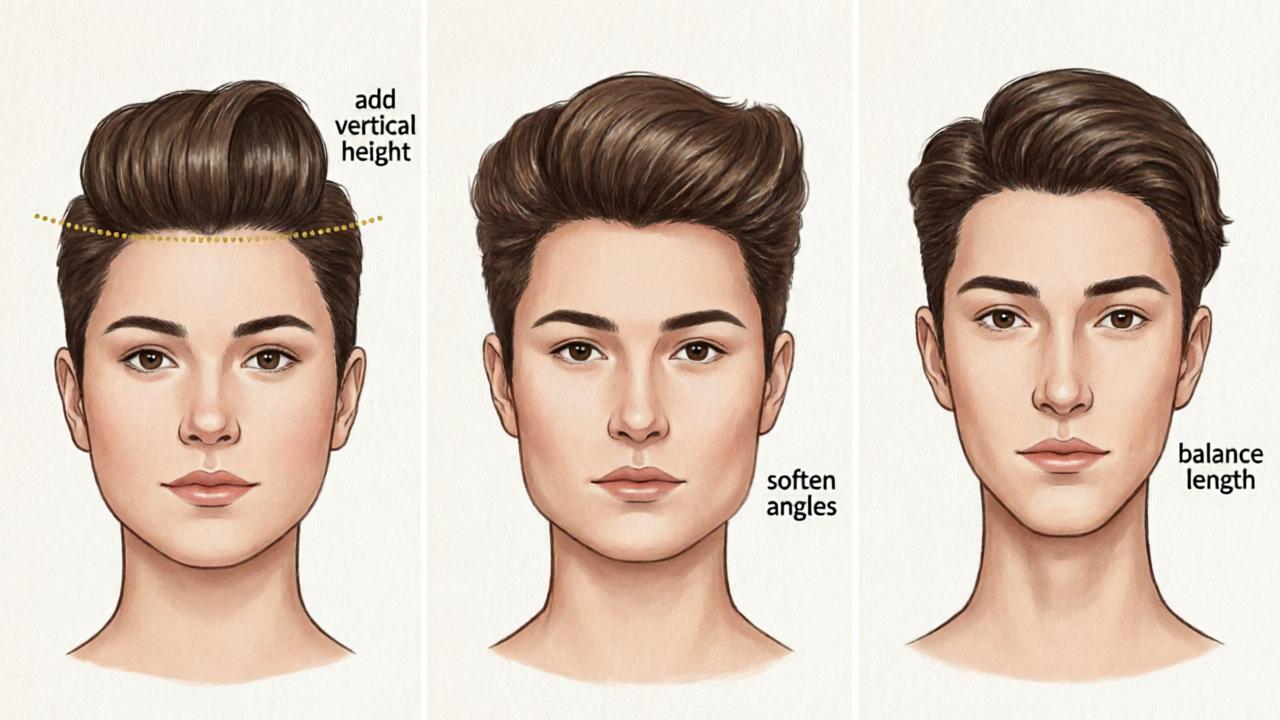
There's an old legend that during the spring equinox, you can balance an egg on its end—a moment of perfect equilibrium between forces. The Elvis pompadour works on the same principle. The volume above must achieve gravitational harmony with the face below. Too much height on the wrong face, and the entire structure becomes a caricature.
| Face Shape | Pomp Strategy | Volume Guide |
|---|---|---|
| Round | Maximize height to elongate the face vertically. Keep sides tight to the head, drawing the eye upward. | High volume encouraged |
| Square | The ideal foundation. Strong jawline complements the bold silhouette. Experiment with both high and moderate volume. | Any volume works |
| Oval | Lucky genetics. Most styles will work, but avoid extremes that throw off natural proportions. | Moderate to high |
| Long | Proceed with caution. Additional height can create the "skyscraper effect." Focus on width at the sides instead. | Keep volume controlled |
| Heart | Balance the wider forehead with volume that doesn't add more width at the temples. | Center-focused volume |
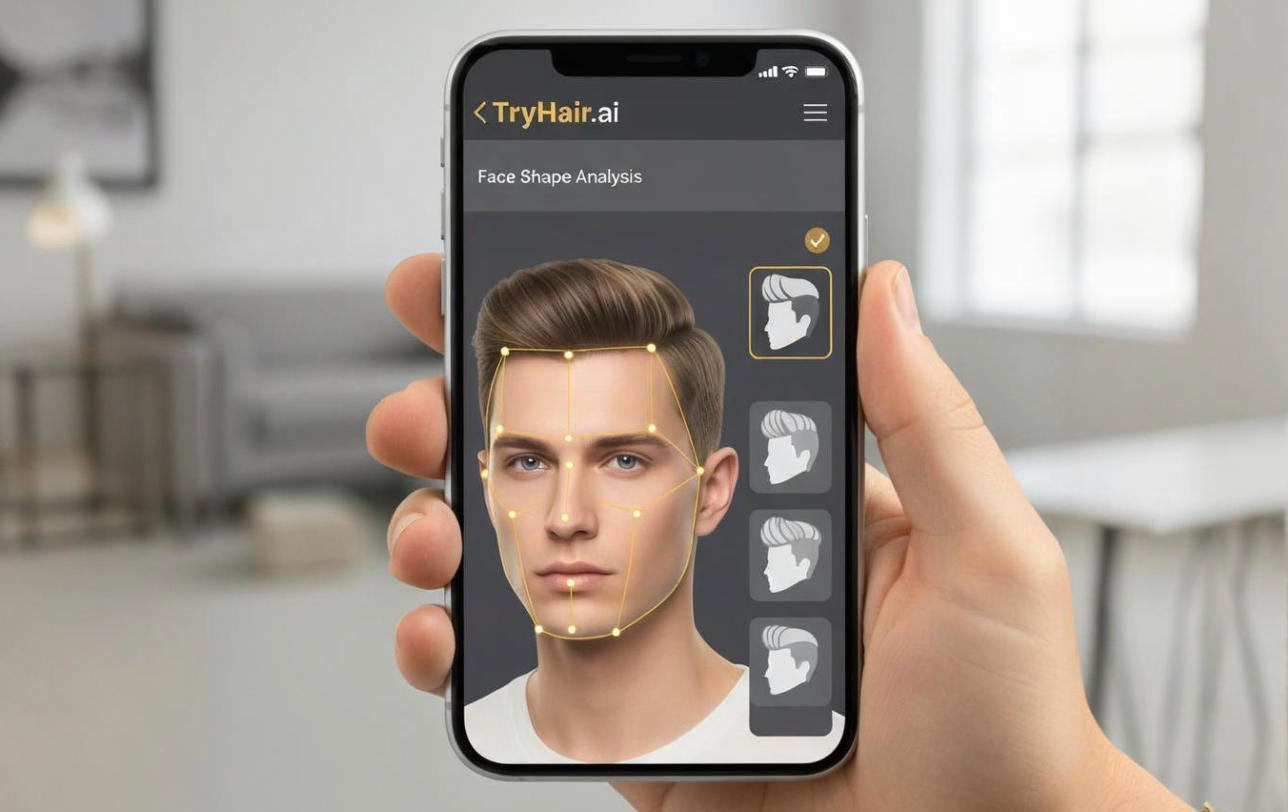
Try Before You Commit
In 2026, there's no excuse for a bad haircut. AI-powered face shape analysis can simulate how different pompadour variations will look on your specific facial structure before a single strand is cut.
Upload a photo, let the algorithm map your proportions, and see yourself with everything from a modest 1950s greaser pomp to the full Las Vegas 1970s treatment.
How to Wear It Without Looking Like a Costume
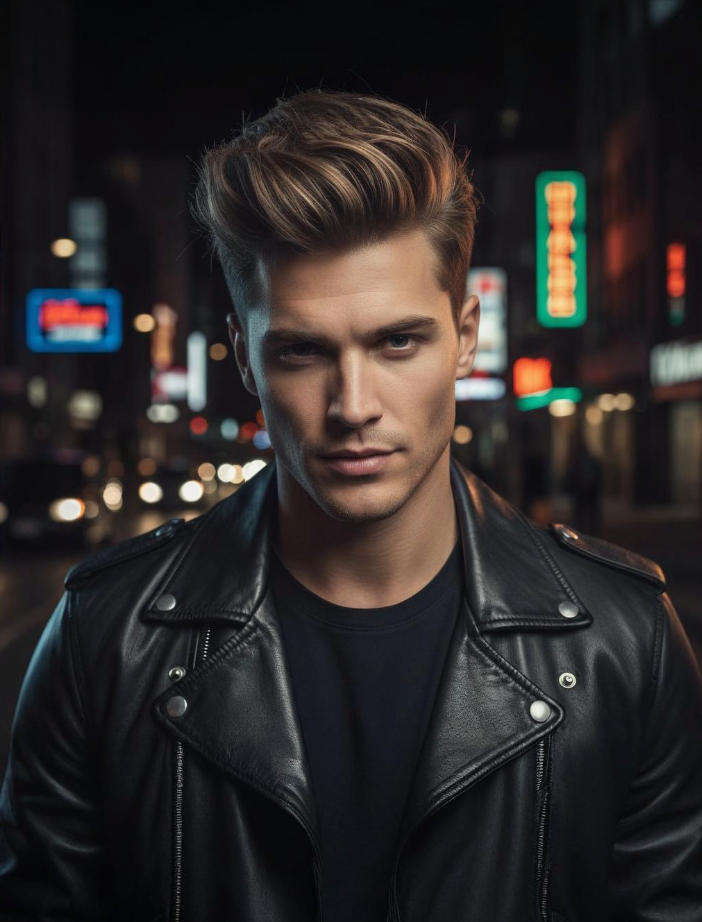
The secret to wearing a pompadour in 2026 isn't pretending it's 1956—it's acknowledging the past while speaking the visual language of today. The most successful modern interpretations blend classic elements with contemporary touches that say "style conscious," not "stuck in time."
Key Modern Adaptations
The Mid-Fade Hybrid
Instead of the classic slicked-back sides, today's barbers often add a subtle mid-fade. This creates contrast while maintaining the rebellious spirit of the original.
Texture Over Perfection
Where Elvis aimed for lacquered perfection, modern versions often embrace visible texture. Think controlled chaos rather than rigid sculpture.
Water-Based Products
Heavy oil-based pomades have largely given way to water-based alternatives that offer similar hold with easier washout and less buildup.
The Essential Kit
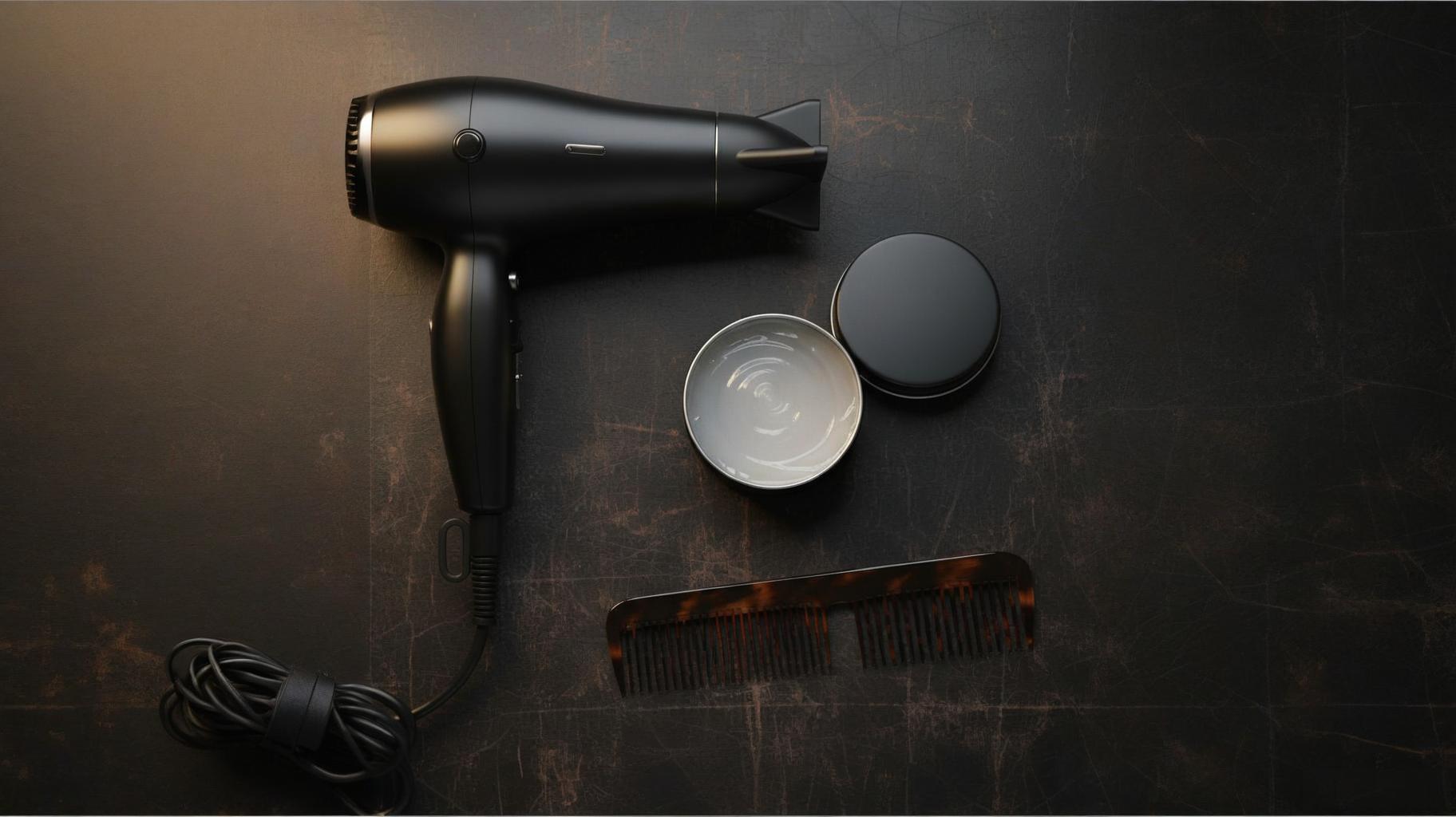
The Comb
A fine-toothed tail comb for precision work. Tortoiseshell isn't just aesthetic—it provides grip on the hair.
The Product
Water-based pomade with medium-to-high hold. Avoid gels that dry hard; you want movement and shine without the crunch.
The Heat
A quality blow dryer with a concentrator nozzle. Heat shapes the hair; product locks it in place.
The Barbershop Script
"Classic pompadour with natural sideburns—maintain length on top, maybe four to five inches. Taper the sides but keep it textured, not a skin fade. And I want the back shaped for a ducktail."
Print this. Memorize it. Hand your barber a reference photo. The pompadour is not a haircut you describe—it's one you show. A picture of Elvis from 1956 plus these verbal instructions will get you closer to the throne than a thousand words ever could.
Every Man Has a Rock Star Inside
The Elvis pompadour isn't just a hairstyle—it's a declaration. It says you understand history, you appreciate craft, and you're not afraid to take up space. Whether you go full 1956 or opt for a modern interpretation, the crown awaits those bold enough to wear it.
Upload your photo and see yourself as The King
Keywords: Elvis Presley hairstyle, modern pompadour, 50s greaser hair, ducktail haircut, AI hair simulator, face shape for quiff