AI Hair Studio
2026 Edition

The Ultimate Guide to
Finding Your Face Shape

The First Step to Your Perfect Hairstyle. Stop guessing. Start knowing. A definitive pillar resource by TryHair.ai.

Explore the Matrix

Why Your Haircut Failed: The Pinterest vs. Reality Gap

We have all experienced the crushing disappointment of the "Pinterest vs. Reality" phenomenon. You walk into the salon armed with a high-resolution image of a celebrity sporting a sleek, angular bob or cascading waves. The stylist nods in understanding, the shears snip away, and yet, when the cape is removed, the reflection in the mirror does not match the vision in your head. The style isn't "bad" objectively, but on you? It feels wrong. It makes your face look wider, shorter, or simply disproportionate. This is not a failure of the stylist's skill, nor is it a flaw in your features. It is a failure of geometry matching.

The human brain is a sophisticated image processor, but it is easily tricked by optical illusions. In the world of fashion technology, we call this Visual Correction. Hair is not merely an accessory; it is a malleable architectural structure that frames the face. A heavy fringe cutting horizontally across a round face increases the perception of width. A long, straight style on a square jaw can emphasize angularity where softness is desired. The perfect haircut works because it utilizes shadows, volume, and lines to manipulate the viewer's perception of facial proportions.

For decades, this knowledge was locked behind the intuition of elite stylists. You either had the "eye" for it, or you didn't. But relying on intuition leads to "Haircut Regret"—that sinking feeling that you just paid to look worse. This guide exists to eliminate that risk. By understanding the mathematical architecture of your face, you stop gambling with your appearance. We are moving from an era of "I think this looks nice" to an era of "I know this works." And for those ready to skip the theory and see the results immediately, the solution is already here.

Stop Guessing: Use TryHair.ai to simulate thousands of styles on your actual face geometry before booking your next appointment.

Anatomy of a Face: The Four Dimensions & Golden Ratios

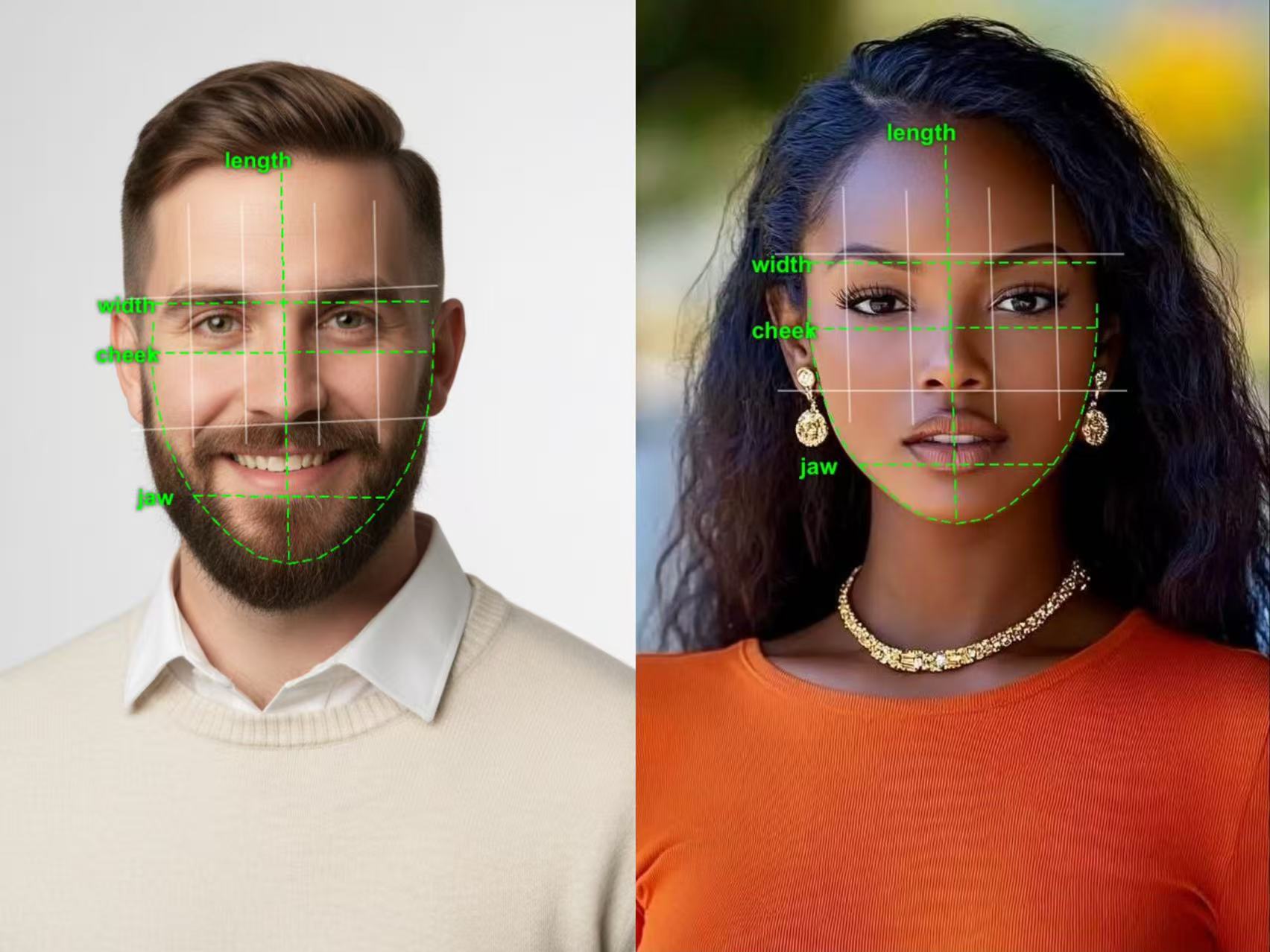
To identify your face shape, you must first abandon the vague descriptors like "long" or "chubby" and adopt the precision of a morphologist. A face is defined by the interplay of four distinct dimensional points. Grab a flexible tape measure or a ruler. This is not about vanity; it is about data.

Face measurement diagram: forehead, cheekbones, jawline, and face length

A. Forehead Width

Measure across the widest part of your forehead, typically halfway between your eyebrows and hairline. This sets the "upper canvas" of your profile.

B. Cheekbone Width

Measure across the apex of your cheekbones, just below the outer corner of each eye. This is usually the widest part of the face and dictates the "center width."

D. Jawline Width

Measure from the tip of one chin corner to the other. This determines whether your silhouette is tapered (Heart/Oval) or angular (Square).

C. Face Length

Measure from the center of your hairline to the very tip of your chin. This vertical dimension defines the aspect ratio of your face.

The Ancient Rules: "Rule of Thirds" & "Five Eyes"

In classical aesthetics, the ideal face is divided into vertical thirds and horizontal fifths. While beauty is diverse, these ratios serve as the baseline for understanding where to add volume or reduce width via styling.

Face measurement diagram: forehead, cheekbones, jawline, and face length
  • The Rule of Thirds: The face is divided into three horizontal sections: Hairline to Brow, Brow to Nose Tip, and Nose Tip to Chin. When one section is significantly longer (usually the mid-face or forehead), hairstyles with fringe or volume are used to visually "shorten" that sector.
  • The Five Eyes Principle: The width of the face should be the span of five eyes placed side by side. If your face width exceeds this, the goal is often to "slim" the sides with darker hair colors or layering. If it is narrower, adding width via waves is the standard correction.

Mastering these proportions is the difference between a haircut that fights your face and one that flatters it. However, manual measurement is prone to error. Digital analysis provides the precision required for perfect symmetry.

The Face Shape Encyclopedia

The definitive directory of geometry-specific styling. Find your match below.

ShapeKey DimensionStrategic Goal
OvalLength > Width, Rounded JawShowcase balance
RoundWidth ≈ Length, Soft EdgesAdd angles/length
SquareWidth ≈ Length, Angular JawSoften jawline
HeartWide Forehead, Pointed ChinBalance width, frame chin
OblongLength >> WidthCreate width illusion
DiamondNarrow Forehead/Jaw, Wide CheeksMinimize cheek width
TriangleJaw > ForeheadWiden upper face
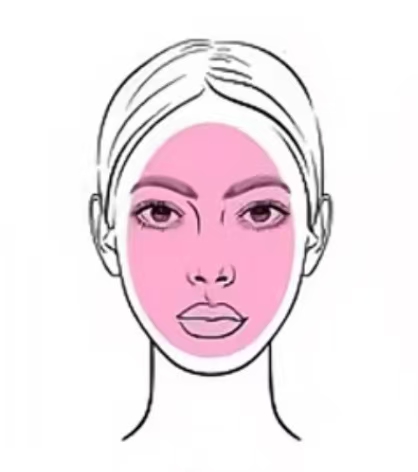
Oval Face Shape Silhouette

Oval Face Shape

The "Ideal" Canvas. Length greater than width, rounded hairline, softly curved jaw.

2026 Ideal Styles

Sleek Low Bun, Chin-length Bobs. Avoid heavy fringes.

Icon: Beyoncé, Zendaya.

Read More
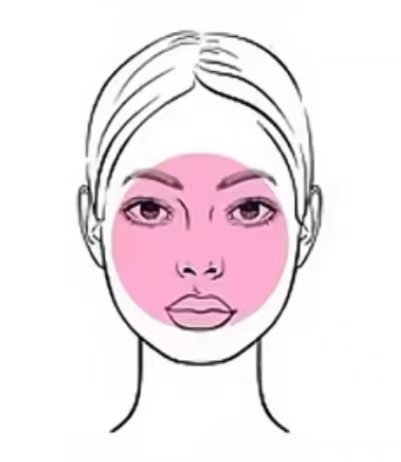
Round Face Shape Silhouette

Round Face Shape

Soft Geometry. Width ≈ length, full cheeks, no sharp angles.

2026 Ideal Styles

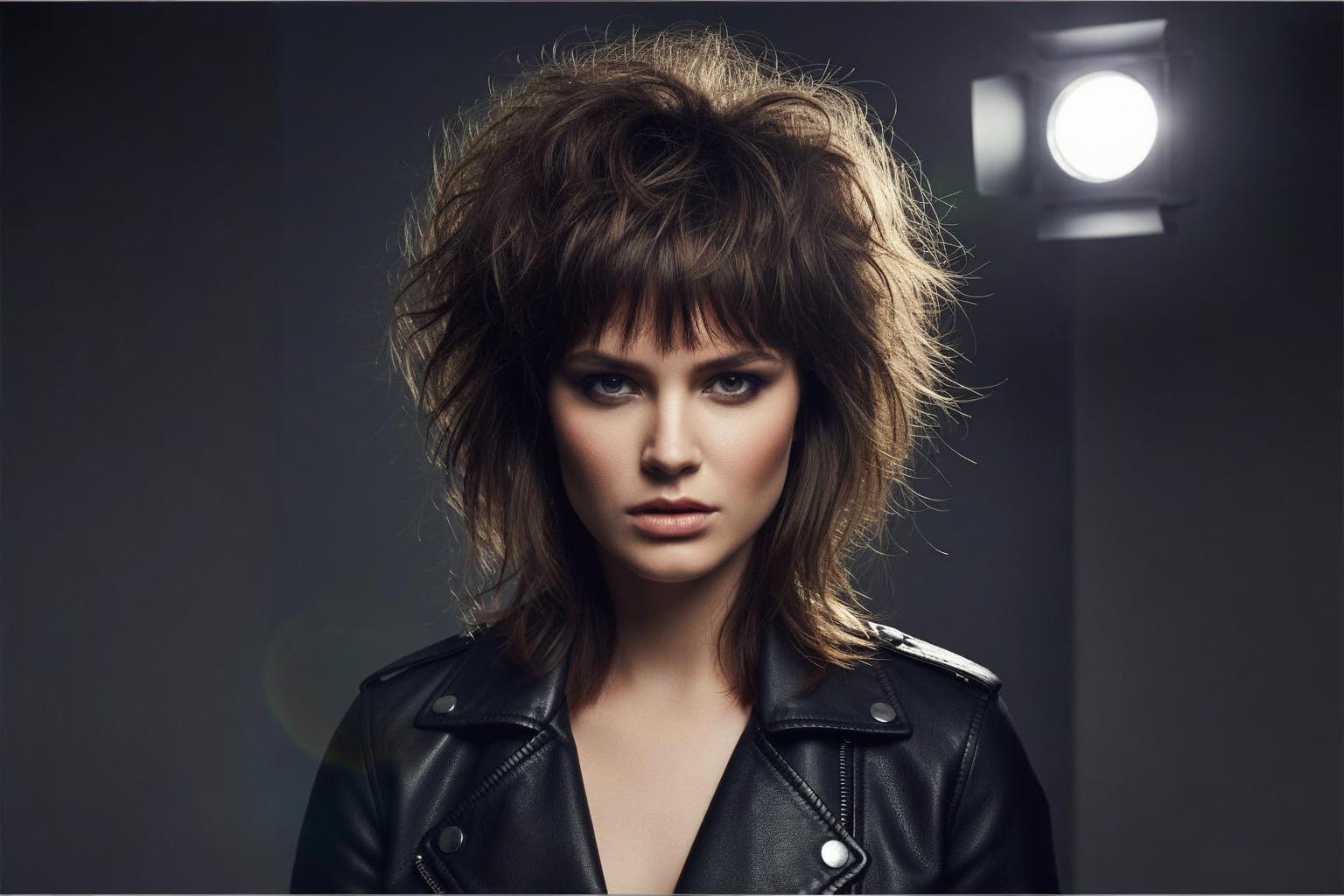
The Shaggy Wolf Cut, Side-swept Layers. Avoid one-length bobs.

Icon: Selena Gomez, Emma Stone.

Read More
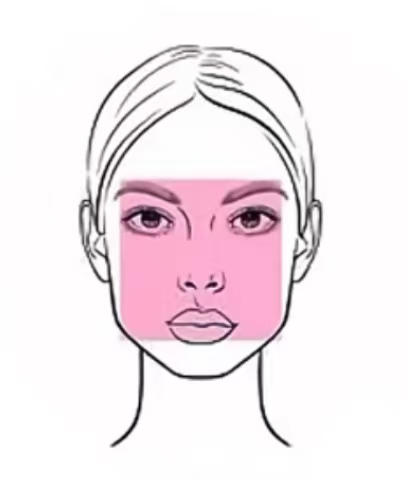
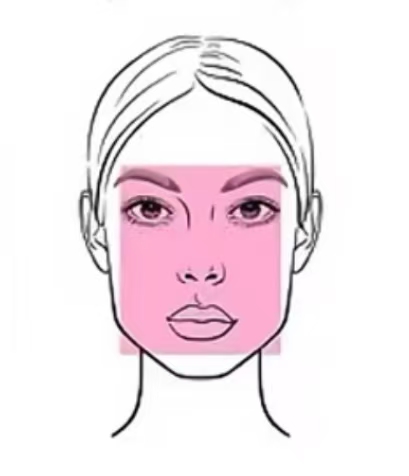
Square Face Shape Silhouette

Square Face Shape

Structural Powerhouse. Similar width forehead, cheekbones, jaw; angular jaw.

2026 Ideal Styles

Wispy Fringe, Long Wavy Layers, Curtain Bangs.

Icon: Angelina Jolie, Olivia Wilde.

Read More
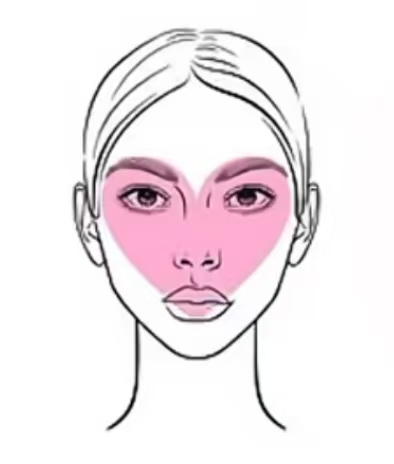
Heart Face Shape Silhouette

Heart Face Shape

Romantic Silhouette. Wide forehead, high cheekbones, narrow pointed chin.

2026 Ideal Styles

Side-parted Lob, Chin-length Bobs. Avoid slicked-back.

Icon: Scarlett Johansson, Lucy Liu.

Read More
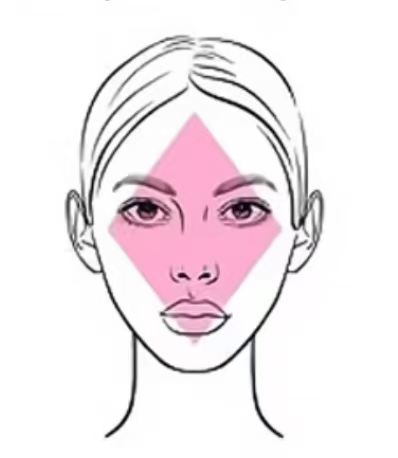
Diamond Face Shape Silhouette

Diamond Face Shape

Dramatic Contour. Narrow forehead and jaw, wide cheekbones.

2026 Ideal Styles

Side-swept Bangs, Voluminous Ends, Butterfly Cut.

Icon: Jennifer Lopez, Rihanna.

Read More
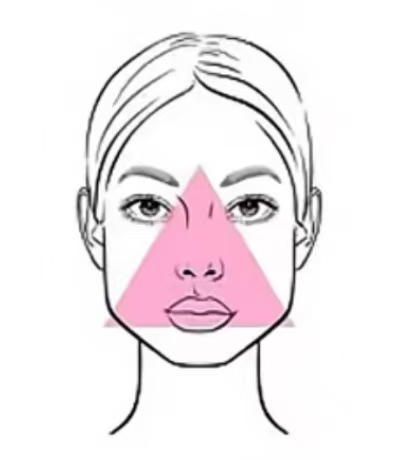
Triangle Face Shape Silhouette

Triangle Face Shape

Pear Profile. Narrow forehead, broad jaw.

2026 Ideal Styles

Textured Pompadour, Voluminous Layers. Avoid volume at jaw.

Icon: Minnie Driver, Jordin Sparks.

Read More
Oblong Face Shape Silhouette

Oblong Face Shape

Vertical Elegance. Significantly longer than wide, similar widths.

2026 Ideal Styles

Full Fringe, Wide Waves. Avoid long straight without layers.

Icon: Sarah Jessica Parker, Liv Tyler.

Read More

The AI Edge: Precision Styling

For generations, the standard process of choosing a hairstyle has been plagued by "gut feeling" and static magazine images. You hold up a picture, imagine it on yourself, and hope for the best. This method ignores the complex topography of the human face—the subtle variations in nose bridge height, eye spacing, and skin contrast that affect how a haircut is perceived.

Enter the era of Neural Network Precision. TryHair.ai replaces imagination with simulation. Our computer vision algorithms map your facial landmarks in 3D, accurately categorizing your geometry into one of the seven archetypes with a margin of error less than 1%. This is not a random filter; it is a rigorous compatibility engine.

TryHair.ai Feature Set

  • 150+ Style Library: From vintage 90s layers to futuristic 2026 cyber-shags, the database is constantly updated by style engineers.
  • Instant Color Swapping: See how "Chrome Blonde" or "Midnight Blue" interacts with your skin tone instantly.
  • Compatibility Score: Each simulation is graded on a 0-100 scale based on how well it suits your specific face shape geometry.

This technology democratizes the expertise previously reserved for celebrity stylists. It allows you to "try on" a mistake before committing to it in the chair, saving you time, money, and emotional energy.

Conclusion: Geometry is Destiny

There is no such thing as a bad face shape, only the wrong haircut. The frustration of the past stemmed from a lack of data. When you understand the architectural blueprints of your face—whether it is the soft curves of a round face or the sharp angles of a square—you gain the power to manipulate perception. You stop being a passive recipient of trends and become an active curator of your image.

The gap between the salon chair and the mirror can finally be bridged. With the principles of visual correction and the precision of AI analysis, haircut regret becomes a thing of the past. Your face is your most valuable asset; treat it with the strategic respect it deserves.