"Aggressive" Styling
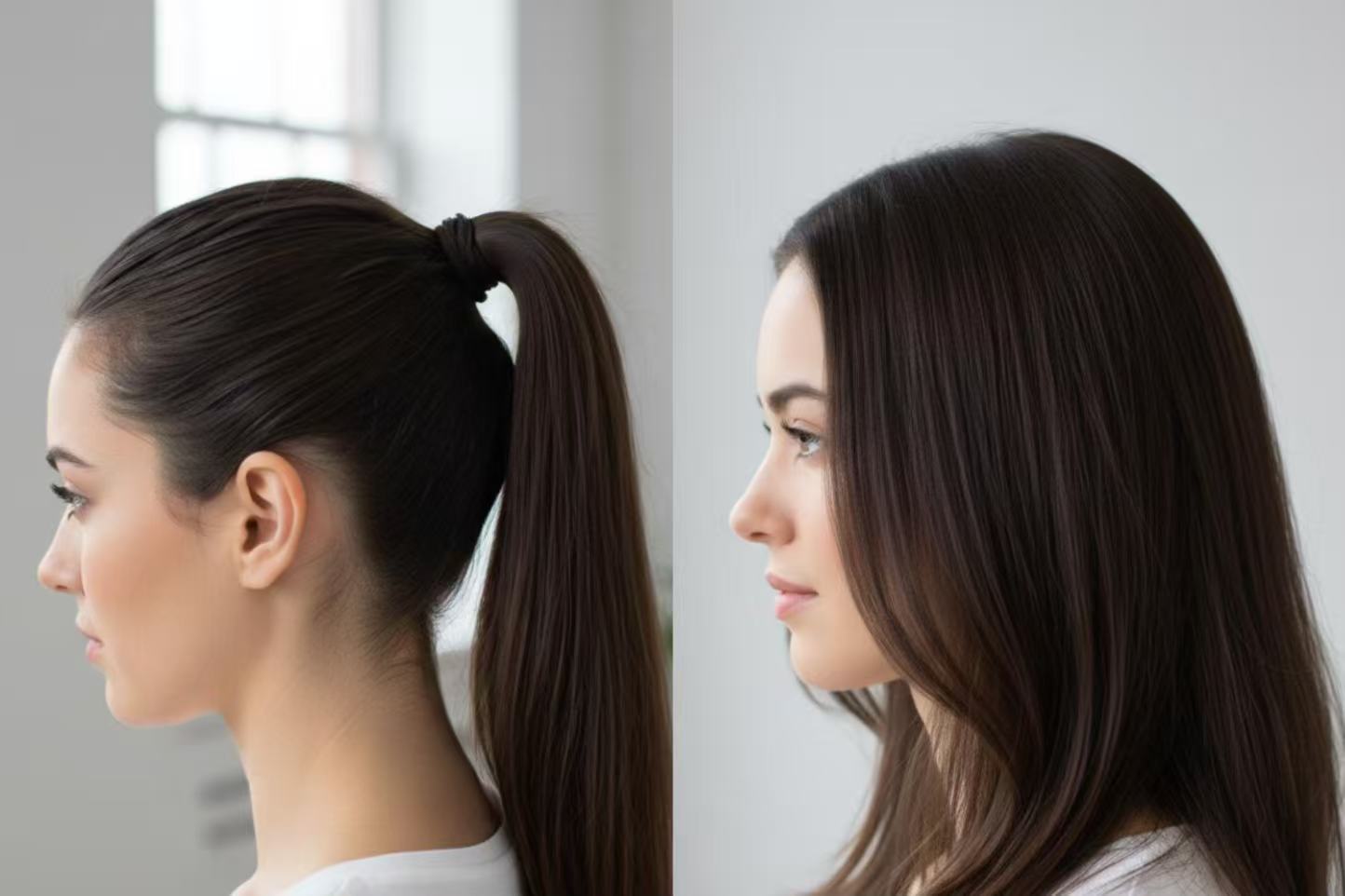
Tight ponytails, buns, or dreadlocks worn daily create constant tension on follicles at the hairline.
When your forehead seems wider than before, panic often follows. But a receding hairline doesn't always mean you're going bald. Let's uncover the truth.
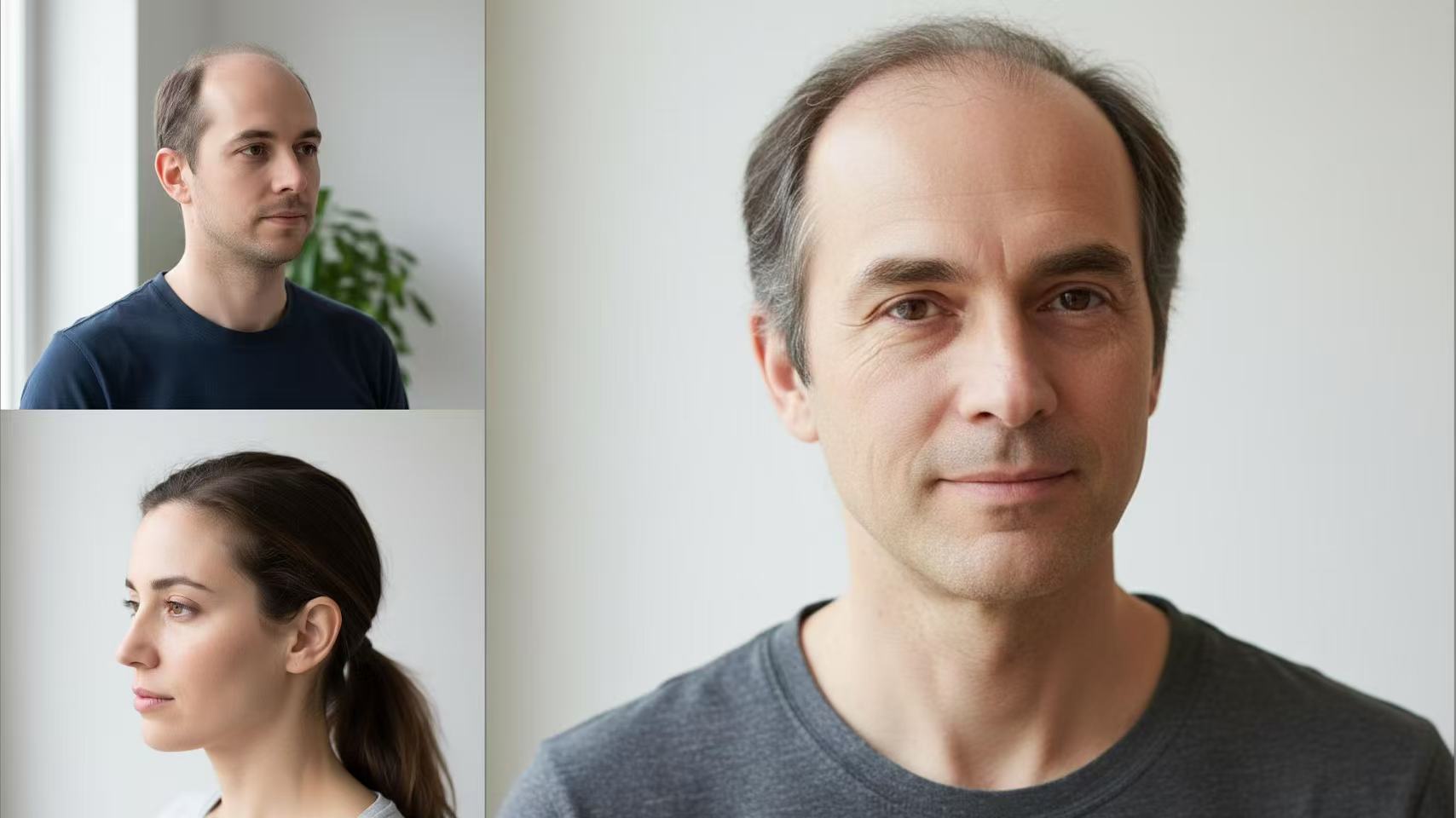
Many people don't realize that an adult hairline sitting 1-2 cm higher than during childhood is actually a normal physiological phenomenon. In medical terms, this is called "Hairline Maturation."

Hairline Maturation: Position may be higher, but the hair along the forehead edge remains dense, thick, and strong. No visible thinning or softening.
Pathological Recession: Hairline forms an "M" shape or retreats entirely, with edge hairs becoming fine, downy, and lighter in color.
The logic behind a receding hairline is clear. It generally follows three main pathways:
| Cause Type | Core Mechanism | Visual Pattern |
|---|---|---|
| Androgenetic Alopecia | Genetics + DHT Hormone (Most Common) | "M" shape recession, crown thinning |
| Traction Alopecia | Physical pulling (external cause) | Patchy loss at hairline edge |
| Lifestyle & Stress | Emotional stress + poor sleep + nutrition | Overall quality decline, irregular thinning |
Sometimes, you're the one "pulling" your hairline back. How many of these habits are part of your routine?
Tight ponytails, buns, or dreadlocks worn daily create constant tension on follicles at the hairline.
Blow-drying on maximum heat directly at the roots, or frequent use of hot styling tools near the scalp.
High-sugar, high-oil diets don't directly cause hair loss but worsen scalp inflammation and oil production.
Parting your hair in the exact same spot for years places maximum stress on those specific follicles.
Not sure about your situation? Try these simple self-assessment methods:
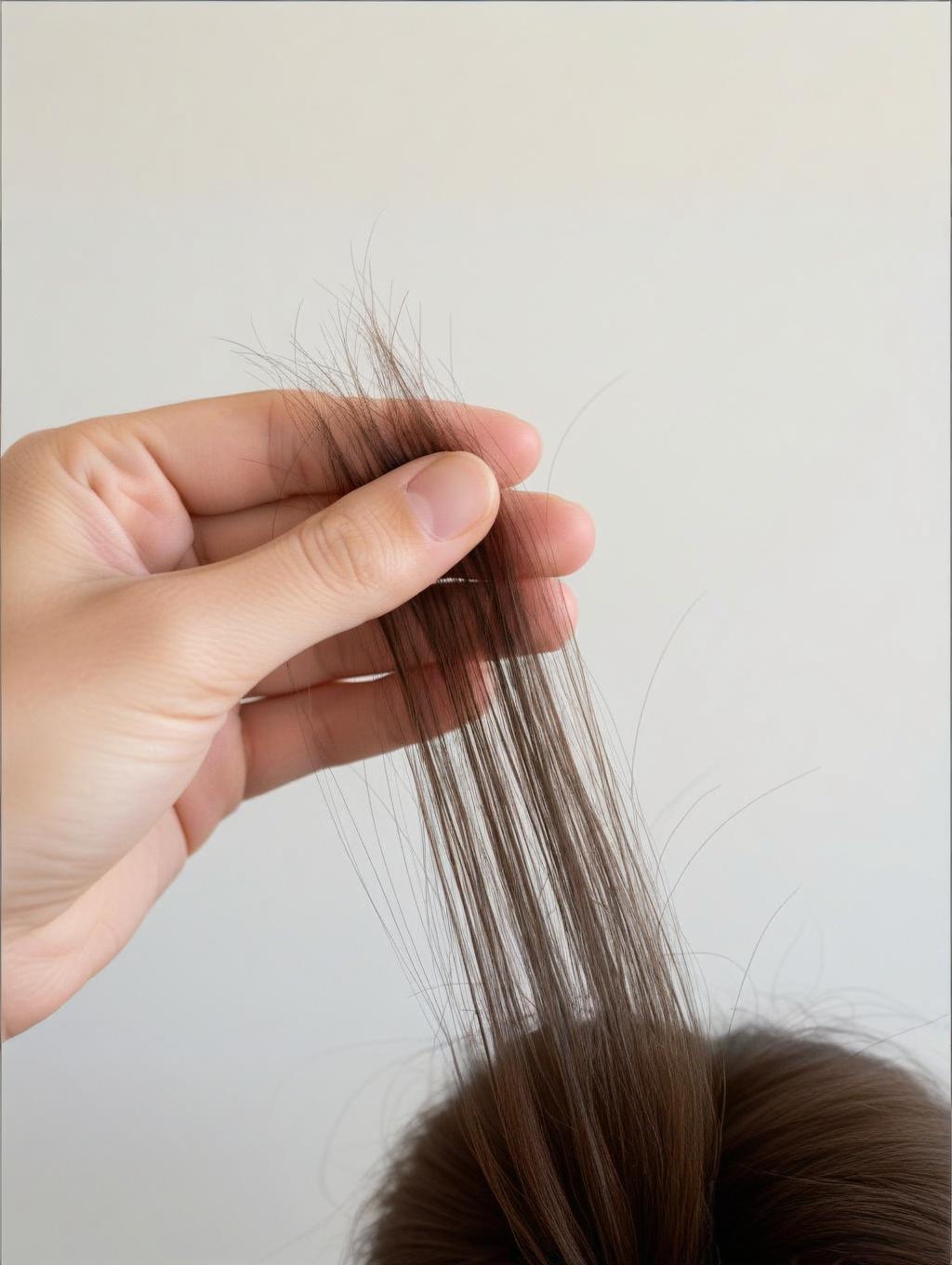
Don't wash your hair for 3 days. Pinch about 50 hairs between your fingers and pull slowly outward. Losing more than 5 hairs suggests active shedding.
Pluck one hair from your forehead and one from the back of your head. If the forehead hair is noticeably finer and softer like kitten fur, your follicles may be miniaturizing.
Every three months, take a forehead close-up in the same lighting. Compare photos to determine if it's a visual illusion or actual recession.
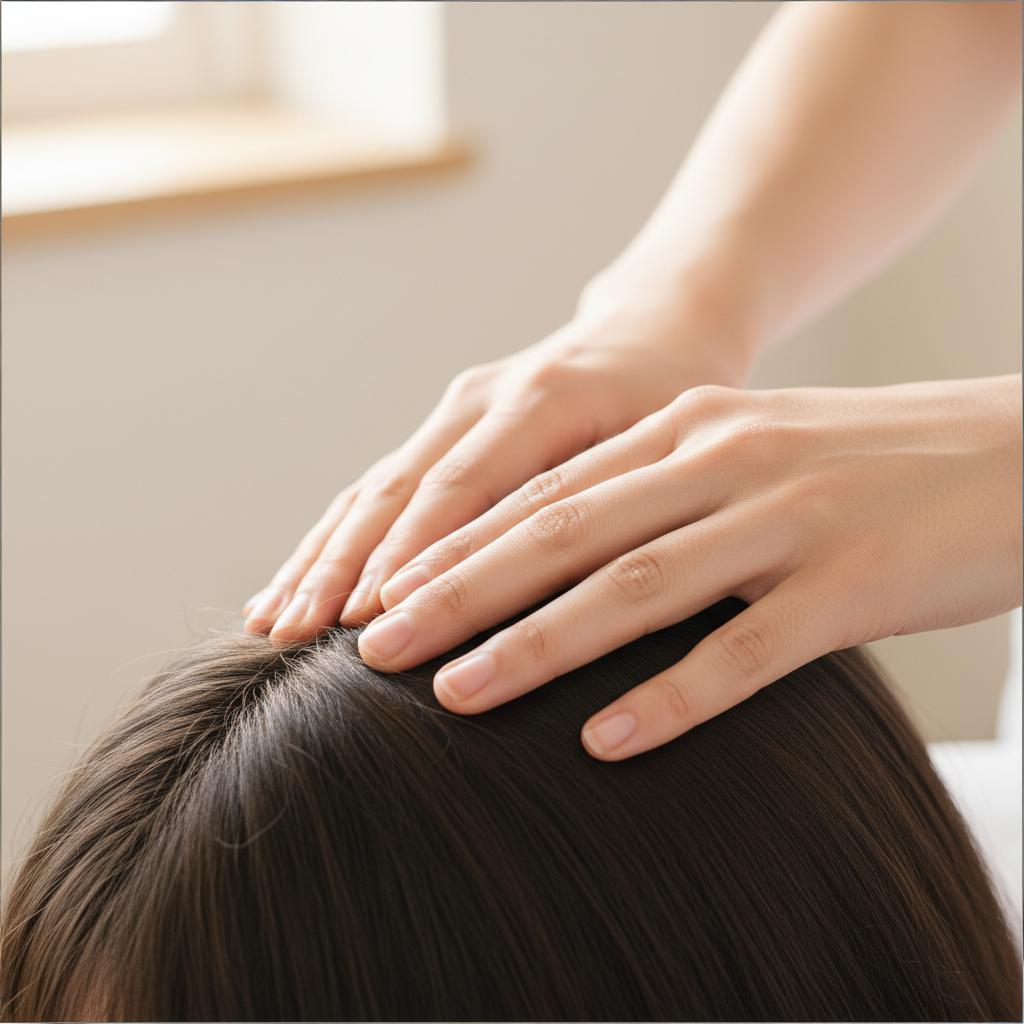
Your Daily Care Checklist:

Here's a rational piece of advice: If your receding hairline is accompanied by hair thinning, it means your follicles are miniaturizing. At this point, no anti-hair loss shampoo can reverse a genetic process.
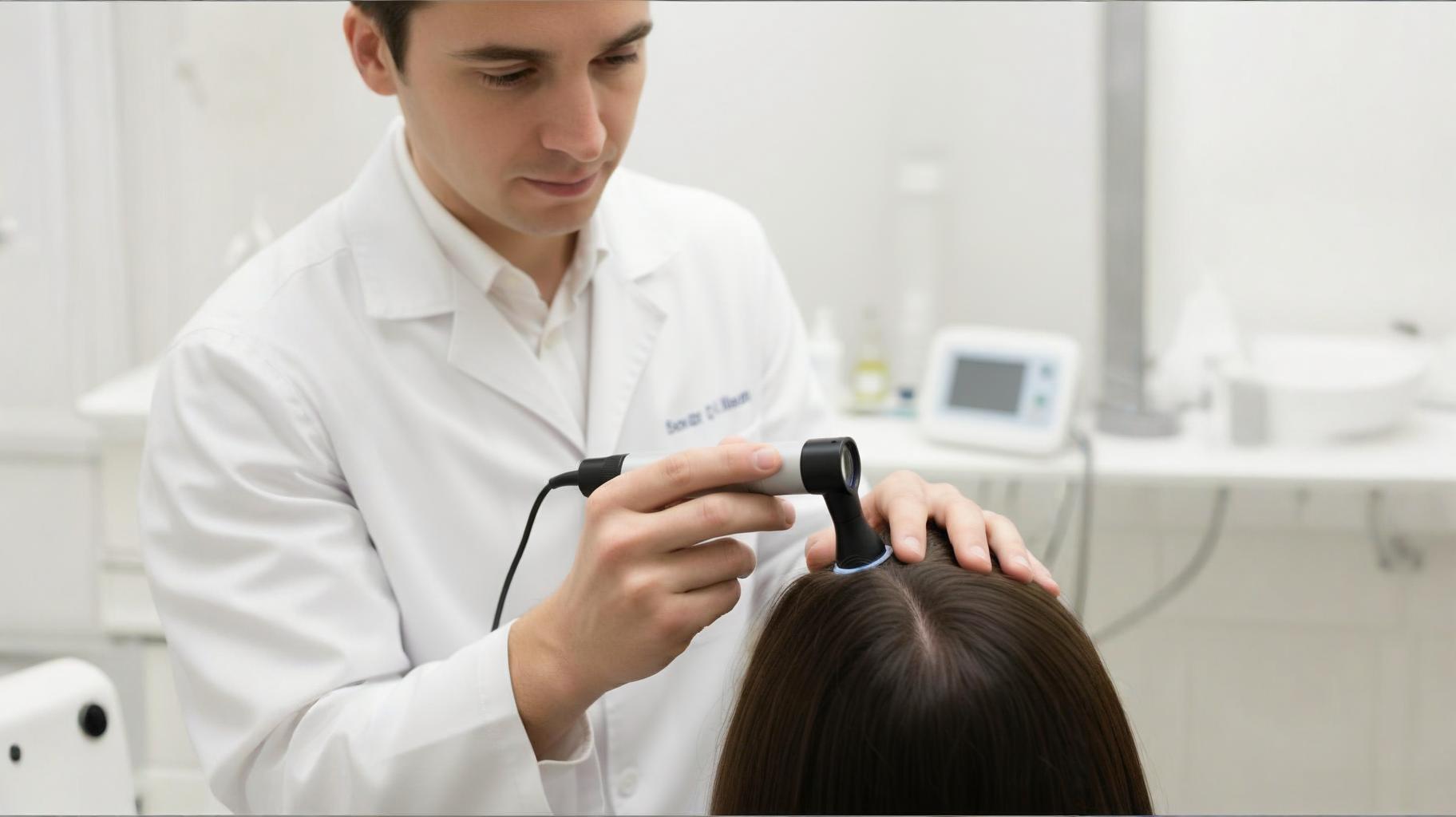
Professional Advice: A dermatologist can use a dermoscopy to directly observe follicle activity. For androgenetic alopecia, clinically proven treatments like Minoxidil or Finasteride must be used under medical supervision—the earlier the intervention, the higher the probability of saving your hairline.
Face your hairline rationally: identify the type first, then respond precisely. If there's no thinning, let go of anxiety and focus on protection. If thinning has begun, seek medical diagnosis promptly.