AI Slick Back Hair Simulator
Upload a clear photo to preview slick back hair on your own face. Compare sleek, wet-look, soft and voluminous finishes while checking how an exposed forehead and hairline change your overall proportions.
Try Slick Back Hair on Your Photo
Your photo is used to generate this preview.
What Is Slick Back Hair?
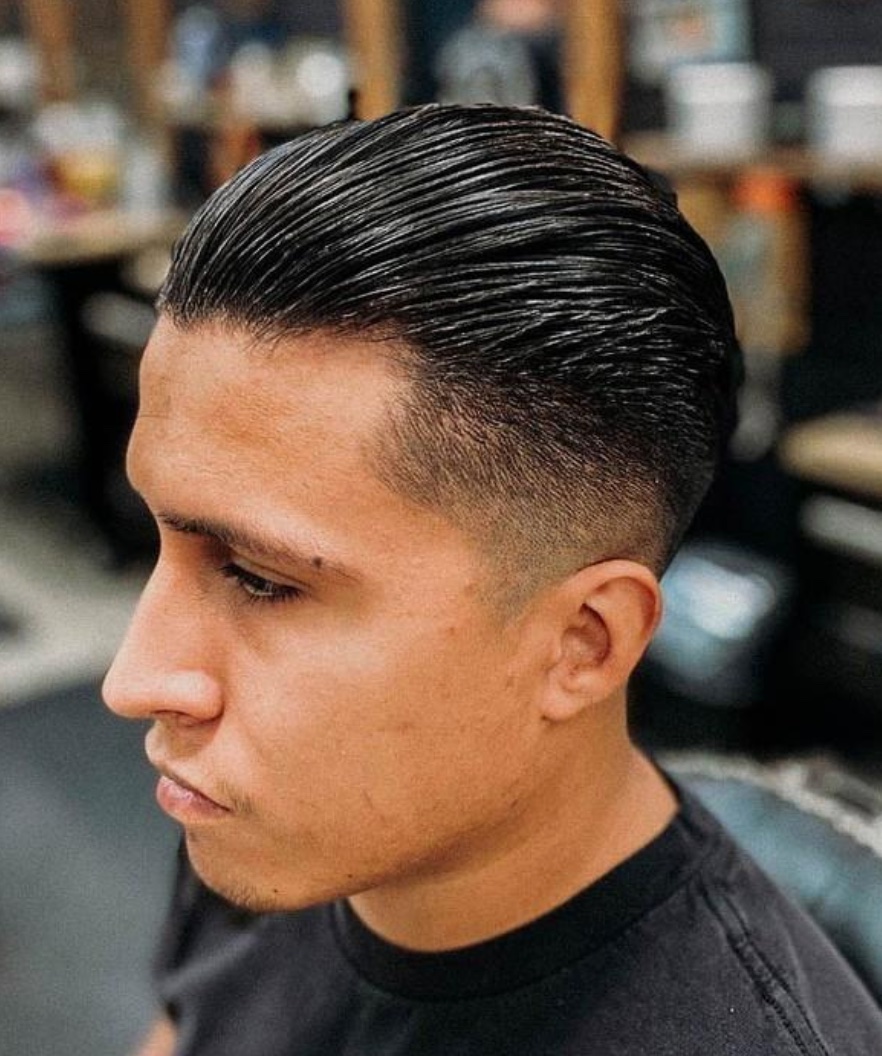
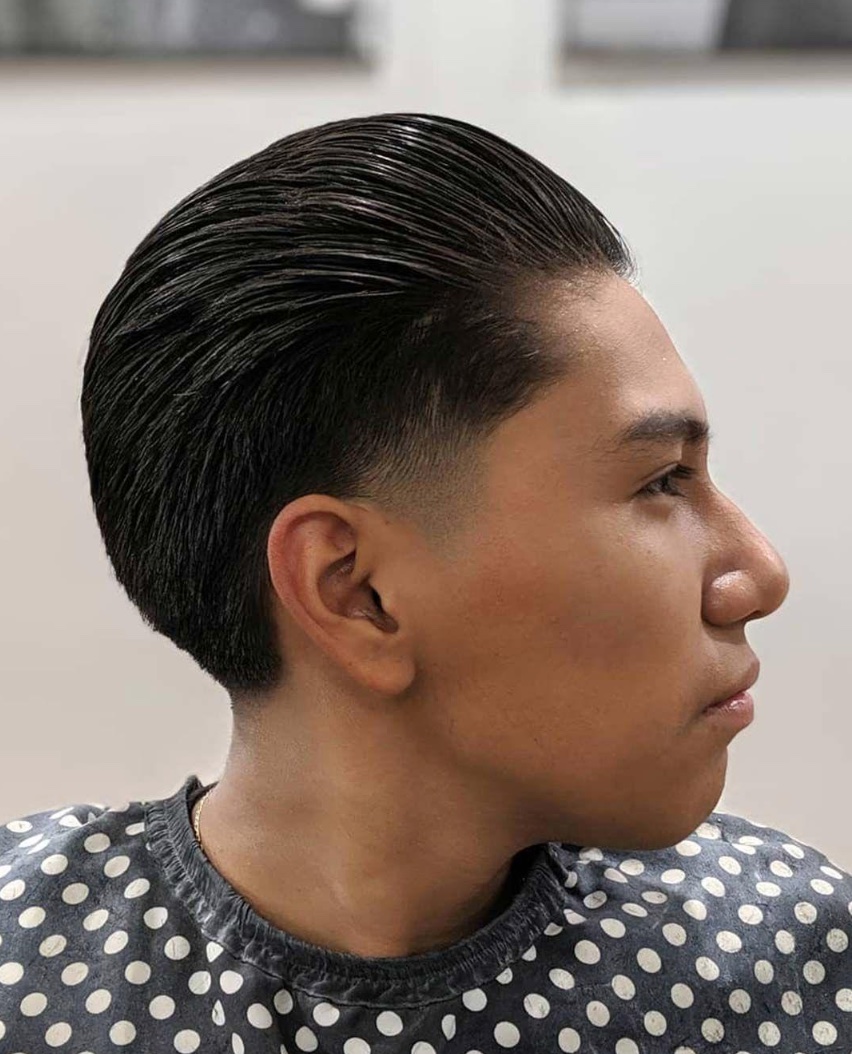
Slick back hair is a polished style where the hair is brushed away from the face and held in place with product. It exposes the forehead, emphasizes the hairline, and makes the face shape feel more defined.
Why Try Slick Back Hair Before Styling?
Slick back hair changes the whole face because it removes the softness of hair falling forward. A preview helps you see whether the exposed forehead, hairline, and swept-back shape feel flattering.
Preview Your Hairline
This style makes the hairline visible, so it is helpful to preview how open the face will look.
Check Facial Balance
A slick back can sharpen cheekbones, jawline, and profile, but it may also make the face look wider or longer.
Choose the Right Finish
Use the preview to decide between a glossy wet look, a softer brushed-back shape, or a higher-volume version.
Who Looks Good With Slick Back
Slick back hair can look confident and clean on many face shapes. The most important choices are how tight the style is, how much height stays at the front, and whether the sides are sharp or soft.
Oval Faces
Oval faces usually handle slick back styles well because the proportions are naturally balanced.
Heart-Shaped Faces
A slick back can highlight cheekbones, but a softer finish may balance a wider forehead.
Square Faces
The style can make a strong jawline look sharper, cleaner, and more structured.
Round Faces
A little height at the top can make slick back hair more flattering than a very flat version.
Best Hair Types for Slick Back Hair
Slick back hair depends on control and hold. Your hair texture affects how much product you need and whether the final look is glossy, soft, structured, or high-volume.
Straight Hair
Usually the easiest texture for clean comb lines and a polished slick back shape.
Wavy Hair
Can create a more natural brushed-back look with movement and less rigid structure.
Thick Hair
Looks strong and full, but usually needs enough hold to keep the hair swept back.
Fine Hair
Works best with lightweight products so the hair does not look too flat or sparse.
Slick Back Hair Variations
Slick back hair can be sharp, soft, glossy, or fashion-forward. The right version depends on how much shine, height, and structure you want.
Wet Look Slick Back
A glossy version with visible shine and strong hold, often used for evening or editorial looks.
Soft Slick Back
A less rigid version that keeps the hair brushed back without looking overly wet or heavy.
Slick Back with Volume
Adds lift near the front, which can be more flattering for round or wider face shapes.
Side-Part Slick Back
Keeps the polished finish while adding direction and a more classic shape.
Low Bun Slick Back
A sleek option for longer hair that pulls the front cleanly back into a low bun.
Editorial Sleek Back
A fashion-forward version with stronger shine, sharper direction, and a more dramatic finish.
When to Wear Slick Back Hair
Slick back hair works especially well when you want the face and outfit to feel intentional. It can read formal, minimal, bold, or fashion-led depending on the finish.
Formal Events
A polished slick back keeps the hair controlled and lets tailoring or eveningwear stand out.
Photoshoots
The exposed face and clean lines make it useful for strong profile and portrait shots.
Date Night
A softer slick back can feel refined without looking too formal or severe.
Business Looks
A neat brushed-back style can feel clean, confident, and put together.
Weddings and Parties
A glossy finish pairs well with evening makeup, jewelry, and structured outfits.
Everyday Styling
A low-shine version can work as a simple daily style when you want hair away from the face.
Slick Back Hair vs Similar Hairstyles
Slick back hair overlaps with several sleek styles. The difference is usually how much shine, hold, direction, and volume the style uses.
Slick Back Hair vs Wet Look Hair
Wet look hair is defined by shine. Slick back hair is defined by direction, so it can be glossy, matte, soft, or structured.
Slick Back Hair vs Long Straight Hair
Long straight hair focuses on length and smoothness, while slick back hair focuses on exposing the face and sweeping hair backward.
Slick Back Hair vs Sleek Ponytail
A sleek ponytail pulls the hair into a tied shape. Slick back hair can be loose, short, tied, or shaped with product.
Slick Back Hair vs Middle-Part Sleek Hair
Middle-part sleek hair still frames the face with a part, while slick back hair pushes the front away from the forehead.
Want to compare slick back hair with other hairstyles?
Try short cuts, long styles, fades, bangs, colors, and more AI hairstyle ideas on your own photo.
Try More HairstylesStyling Tips for Slick Back Hair
A good slick back needs enough control to stay in place, but not so much product that the hair looks heavy or greasy.
Start with damp or smoothed hair
Slightly damp hair is easier to direct backward, especially if you want a glossy or wet-look finish.
Choose product by finish
Gel gives shine and strong hold, pomade adds polish, cream gives softness, and mousse can help with volume.
Comb backward evenly
Use a comb for visible structure or your fingers for a softer brushed-back look.
Use hairspray for hold
A light finishing spray can lock the direction without adding too much product near the roots.
Common Mistakes Before Trying Slick Back Hair
Slick back hair looks simple, but small styling choices can make it feel polished or too severe. These are the details worth checking before choosing the look.
Using too much gel
Too much product can make hair look heavy. Start small, then add more only where the hold is needed.
Making fine hair too flat
Fine hair often needs light volume at the front so the slick back does not reveal too much scalp.
Ignoring flyaways
A small amount of finishing cream or spray can clean up baby hairs and make the style look intentional.
Choosing the wrong finish
A wet look feels bold and fashion-led, while a soft slick back is usually easier for everyday wear.
Related Men's Hairstyle Tools
Compare more hairstyles on your own photo before choosing your next look. Follow slick back hair’s recent search rebound in our 2026 men’s hairstyle Google Trends report.
Slick Back Hair Simulator FAQ
Can I try slick back hair online?
Yes. Upload a clear photo and the simulator will generate a slick back hair preview on your image. It is especially useful because this style exposes your forehead, hairline, and face shape.
What is slick back hair?
Slick back hair is brushed away from the face and held in place with styling product. It can look glossy and sharp, or softer and more natural depending on the product, combing direction, and amount of volume.
Does slick back hair suit women?
Yes. Slick back hair can be a sleek event style, a wet-look editorial style, or a polished low bun for women. The key is deciding whether you want a soft brushed finish or a bold glossy finish.
Does slick back hair suit round faces?
It can, but a little height at the front usually helps. A very flat slick back can emphasize width, while a lifted or slightly softer version can make the face look longer and more structured.
Is slick back hair good for thin hair?
It can work, but fine or thin hair should avoid heavy gel at the roots. Lightweight mousse, cream, or a small amount of pomade can give control without making the hair look too flat.
What product do I need for slick back hair?
Use gel for a strong wet look, pomade for shine and control, styling cream for a softer finish, mousse for light volume, and hairspray to keep the final shape in place.
Is slick back hair the same as wet look hair?
No. Wet look hair is defined by a glossy, damp-looking finish. Slick back hair is defined by the direction of the hair, so it can be wet-look, matte, soft, voluminous, or classic.
Will the AI result look exactly like real styling?
The AI result is a visual preview, not a guaranteed real-world result. Your actual style will depend on your hair length, texture, hairline, haircut, product, and how well the hair holds its direction.