AI Textured Crop Haircut Simulator
Upload a clear photo to preview a textured crop haircut on your own face. Compare choppy or soft texture, cropped fringe, French crop proportions and taper or fade options before visiting a barber.
Try a Textured Crop on Your Photo
Your photo is used to generate this preview.
What Is a Textured Crop?
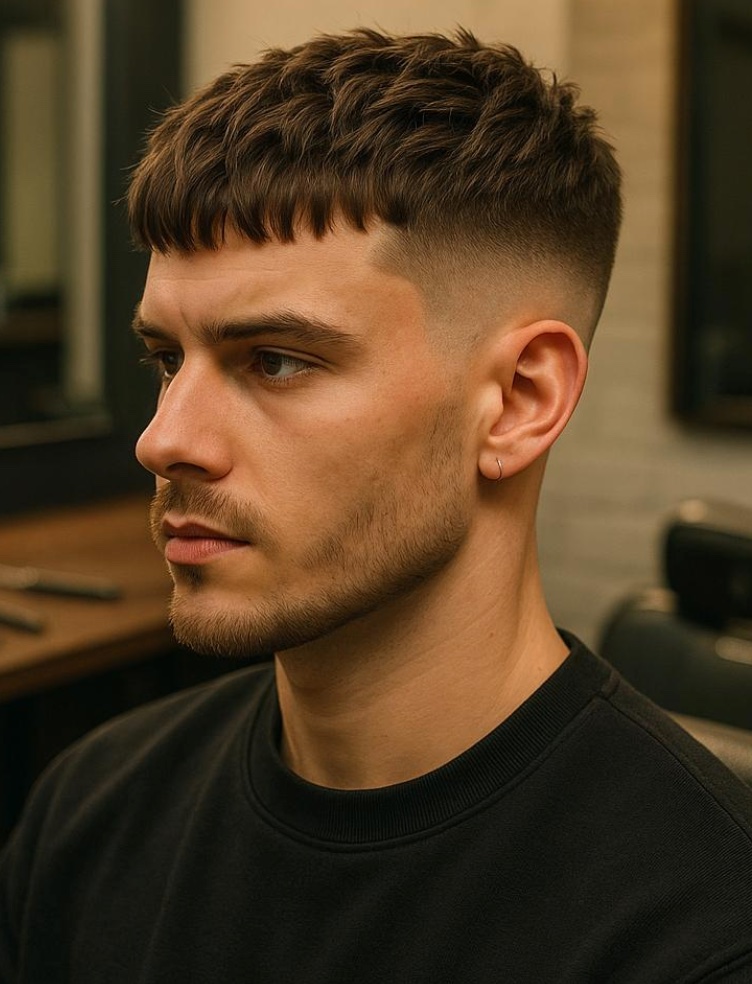
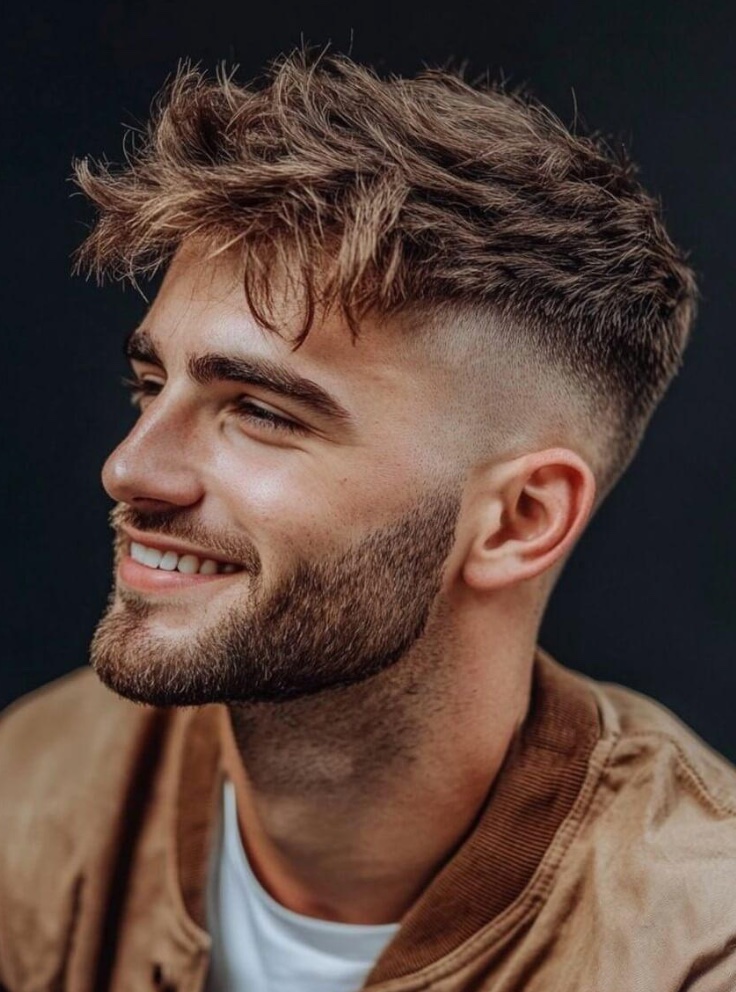
A textured crop is a short haircut with choppy movement through the top, a cropped or forward fringe, and clean sides that can be faded, tapered, or softly blended. It feels modern, easy to wear, and less polished than a classic side part or slick back.
Why Try a Textured Crop Before Cutting?
A textured crop is short enough to change your whole outline. Previewing it first helps you judge the top length, fringe shape, fade height, and how much forehead the cut will show.
Shorter Outline
See whether a compact cropped shape suits your head shape and profile.
Top Texture
Preview whether choppy texture adds shape without looking too messy.
Fringe Length
Check if a short crop fringe balances your forehead and eyebrows.
Fade or Taper
Decide whether the sides should look sharp, soft, low, or bold.
Who Looks Good With a Textured Crop?
The textured crop is flexible because the top, fringe, and fade can all be adjusted. The goal is to create enough structure without making the face look too wide, too long, or too flat.
Oval Faces
Oval faces can usually wear short, messy, faded, or softer textured crops.
Round Faces
A little height or choppy top texture can make the face feel longer.
Square Faces
The clean sides and textured top can enhance a strong jawline.
Long Faces
A forward fringe can reduce visual length, but avoid too much height on top.
Best Hair Types for a Textured Crop
Texture is the main feature, so your natural density and movement matter. A good barber can make the crop cleaner, messier, softer, or sharper based on your hair type.
Thick Hair
Great for strong texture, but it needs controlled weight removal.
Straight Hair
Works well for clean, piecey texture and a defined fringe.
Wavy Hair
Natural movement makes the crop look relaxed and effortless.
Fine Hair
Keep texture light so the top does not look over-thinned.
Curly Hair
A curly crop can look sharp if the top length is controlled.
Textured Crop Variations
The textured crop can lean clean, messy, sharp, or casual. The variation depends on fringe length, side finish, and how much broken texture stays on top.
Textured Crop with Fade
A sharp version with clean sides and a stronger contrast against the top.
French Crop
A cropped fringe with a more classic, controlled shape.
Messy Textured Crop
A relaxed version with more separation and movement on top.
Short Textured Crop
Clean, compact, and easy to maintain with minimal daily styling.
Crop with Fringe
Uses a forward fringe to frame the forehead and eyebrows.
Curly Textured Crop
Keeps curl definition on top while the sides stay tidy.
Low Taper Crop
A softer option with less exposed skin around the sides.
Caesar-Inspired Crop
Shorter fringe and cleaner top direction with a classic edge.
Textured Crop vs Similar Haircuts
A textured crop overlaps with several short cuts, but the choppy top and cropped fringe give it a distinct look.
Textured Crop vs French Crop
A French crop is usually neater and more defined, while a textured crop can be messier and more flexible.
Textured Crop vs Caesar Cut
A Caesar cut often has a shorter, straighter fringe. A textured crop usually has more choppy movement on top.
Textured Crop vs Crew Cut
A crew cut is cleaner and more uniform, while a textured crop keeps more styling detail through the top and fringe.
Textured Crop vs Buzz Cut
A buzz cut is clipped very short all over. A textured crop keeps enough length to create shape and movement.
Textured Crop vs Slick Back
Slick back hair is brushed away from the face. A textured crop usually moves forward or slightly messy across the top.
Want to compare a textured crop with other hairstyles?
Try fades, short cuts, slick styles, longer hair, colors, and more AI hairstyle ideas on your own photo.
Try More HairstylesBarber Tips Before Asking for a Textured Crop
The best textured crops are specific. Before sitting down, decide how short the fringe should be, how much fade you want, and how much daily styling you are willing to do.
Show the top length you want
A half inch can change the style from clean and cropped to messy and voluminous.
Define the fringe
Ask whether the front should be blunt, choppy, slightly forward, or very short.
Choose low fade, mid fade, or taper
A fade looks sharper, while a taper can feel softer and easier to grow out.
Avoid over-thinning the top
Texture should create separation, not remove so much density that the crop looks weak.
Styling Tips for a Textured Crop
Textured crops usually look best with a matte finish and natural separation. The goal is touchable texture, not shiny stiffness.
Use matte clay or paste
A small amount adds hold without making the crop look wet or heavy.
Try texture powder
Texture powder can lift fine hair and make short pieces separate naturally.
Style with your hands
Use your fingers to push the top forward, break up sections, and avoid a combed-flat look.
Avoid shiny gel
High-shine gel can make a textured crop look stiff instead of modern and natural.
Blow-dry lightly
Dry the top forward or slightly upward to create shape before adding product.
Keep the fringe intentional
The front can be messy, but it should still look like a deliberate part of the cut.
Textured Crop Maintenance
A textured crop is easier day to day than many medium styles, but the short sides and fringe need occasional cleanup to keep the shape fresh.
Fade refresh
Sharper fades often need a barber visit every 2-4 weeks.
Taper grow-out
A soft taper grows out more naturally if you want less frequent cuts.
Fringe cleanup
The crop fringe can lose shape quickly if it grows over the brows.
Top texture
As the top grows, it may need retexturing so it does not become bulky.
Related Men's Hairstyle Tools
Compare more hairstyles on your own photo before choosing your next look. See why textured crop is one of the fastest-rising queries in our 2026 men’s hairstyle Google Trends report.
Textured Crop Simulator FAQ
Can I try a textured crop online?
Yes. Upload a clear photo and the simulator will generate a textured crop preview on your image. It is useful for judging the shorter outline, cropped fringe, and fade or taper effect before visiting a barber.
What is a textured crop haircut?
A textured crop is a short haircut with choppy or piecey texture on top and a cropped fringe near the forehead. The sides are often faded or tapered, giving the haircut a clean but modern shape.
Is a textured crop good for round faces?
It can be. Round faces usually benefit from a little height or choppy top texture. A very flat, heavy fringe may make the face look wider, so the barber should keep the top balanced.
What is the difference between a textured crop and a French crop?
A French crop often has a more defined, classic fringe. A textured crop is broader and can be messier, softer, curlier, or more heavily separated on top.
Is textured crop good for thin hair?
Yes, but the texture should be subtle. Too much thinning can make fine hair look sparse, while a controlled crop with matte product can make the top look fuller and more structured.
How do I ask my barber for a textured crop?
Ask for a short textured top, a cropped or forward fringe, and your preferred side finish such as a low fade, mid fade, skin fade, or taper. Show reference photos and mention how much styling time you want each day.
Is a textured crop low maintenance?
It is usually low to moderate maintenance. Daily styling can be quick, but fades and short fringes need regular cleanup if you want the haircut to stay crisp.
Will the AI result look exactly like a real haircut?
The AI result is a visual preview, not a guaranteed barber result. Your actual haircut depends on your hairline, density, texture, growth pattern, barber skill, and the exact fade or taper you choose.