AI Butterfly Layers Simulator
Upload a clear photo to preview butterfly layers on your own face. Compare the shortest face-framing pieces, long blended layers, curtain-style movement and soft blowout volume before your haircut.
Try Butterfly Layers on Your Photo
Your photo is used to generate this preview.
What Are Butterfly Layers?
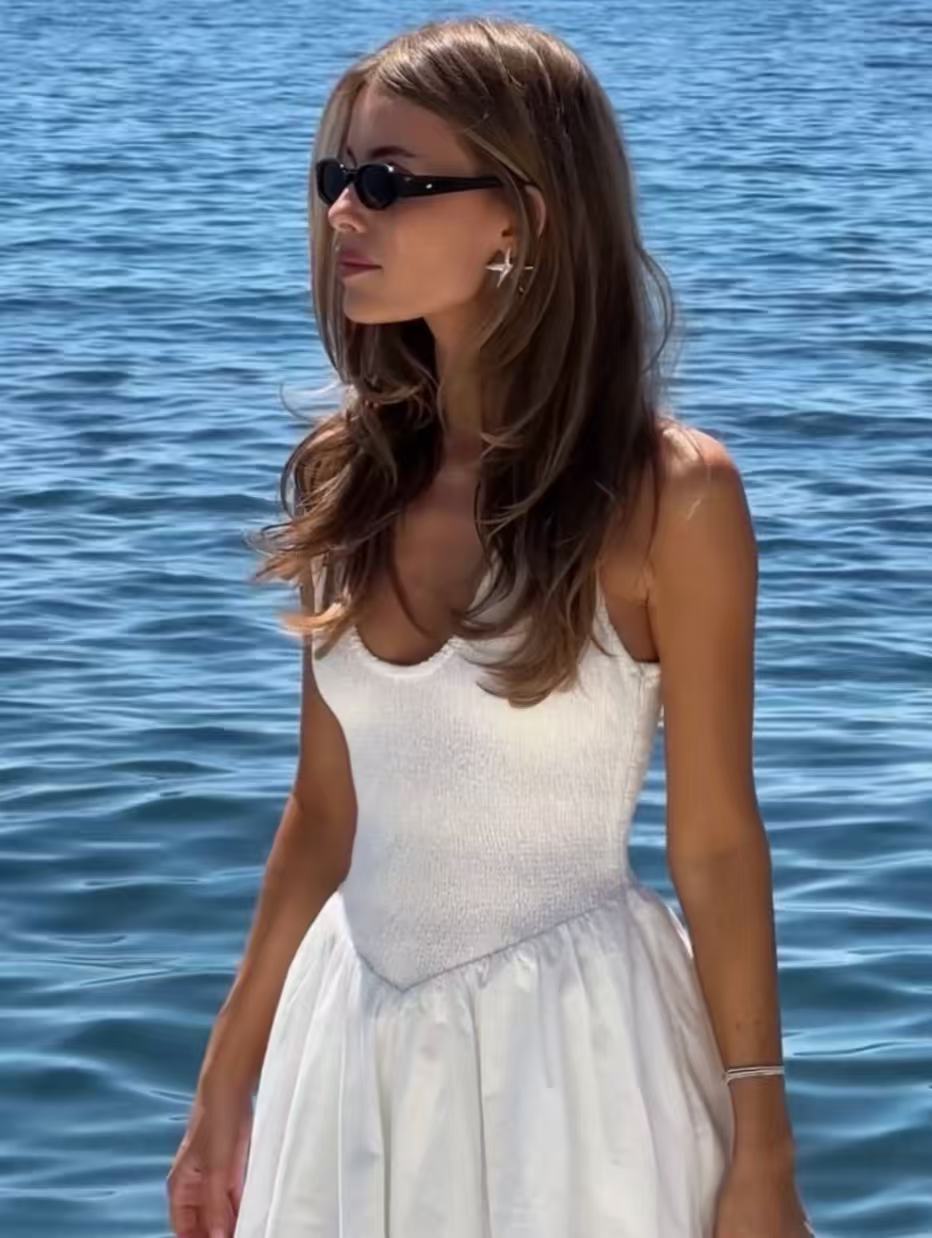
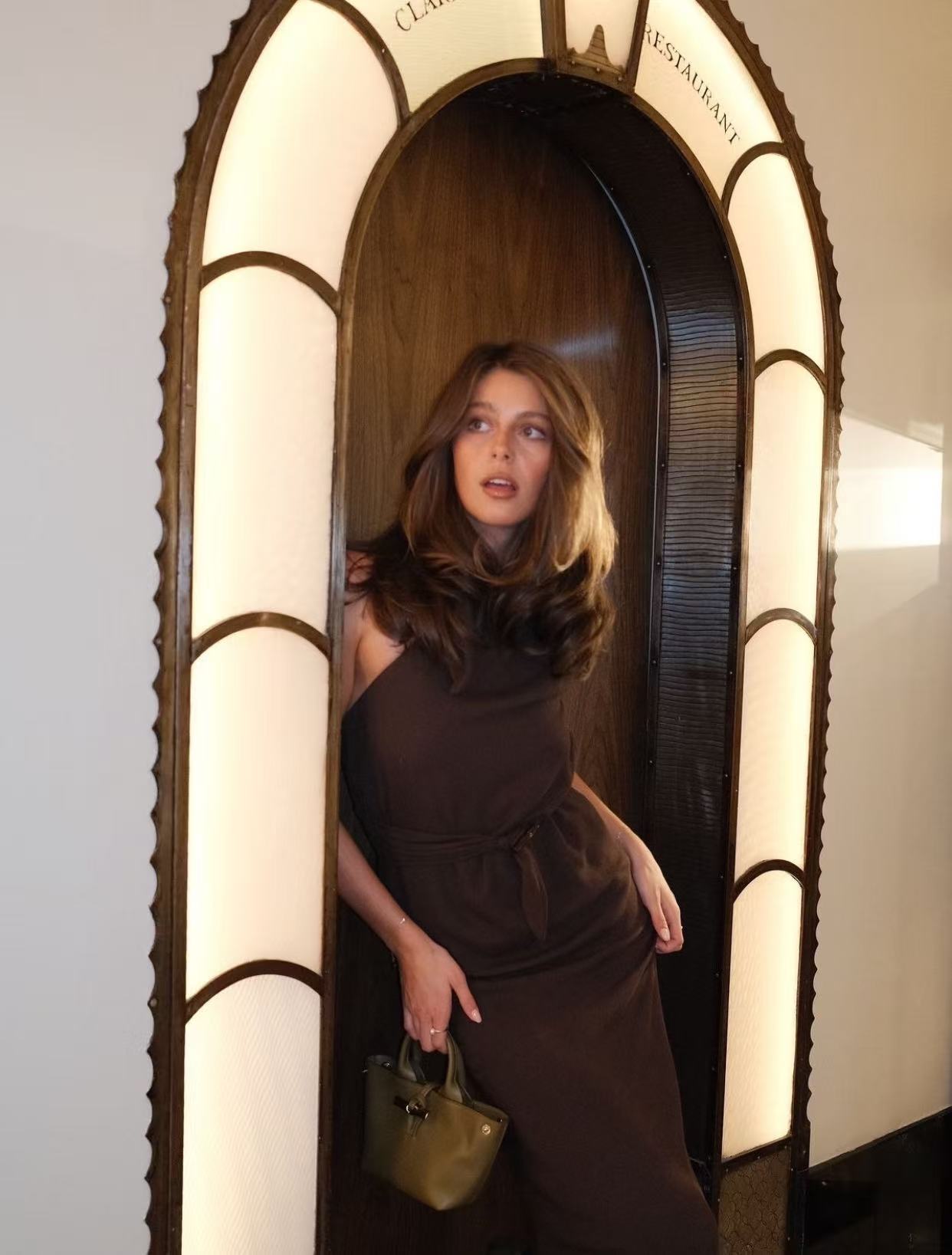
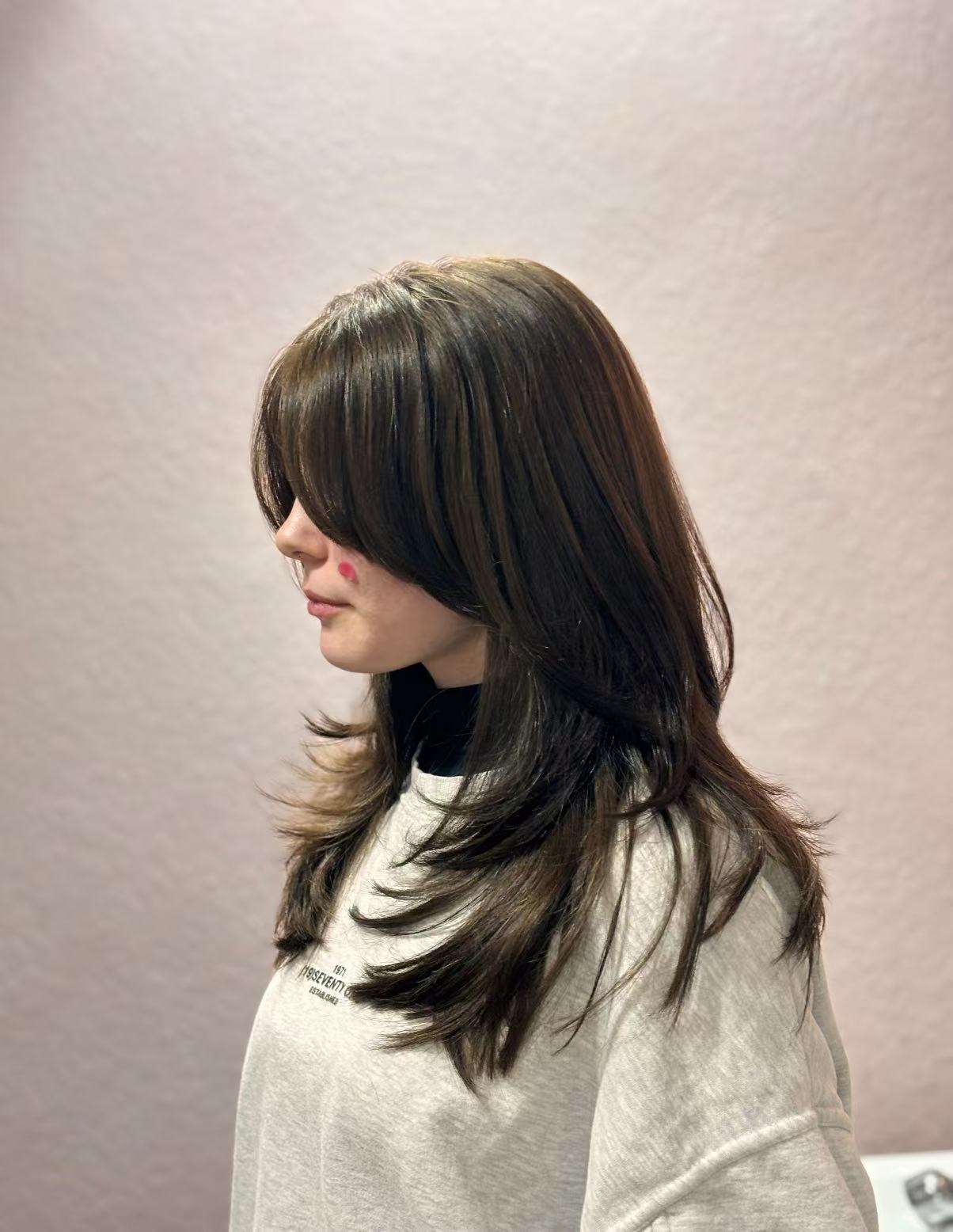
Butterfly layers are a long layered haircut built around soft, face-framing pieces. The front layers are usually shorter and airy, while the back keeps more length, creating a lifted shape that opens around the face like wings.
This style is popular because it gives long hair more movement without requiring a dramatic short cut. It can make the hair look fuller, lighter, and more styled while still preserving length.
Why Try Butterfly Layers Before Cutting?
Butterfly layers change the way hair frames your cheeks, jaw, and shoulders. A simulator helps you preview the overall direction before deciding how short the front layers should be.
Check Face-Framing Length
See whether shorter front pieces flatter your cheekbones, jawline, and overall face shape.
Preview Added Volume
Butterfly layers can create lift and movement, especially around the crown and sides.
Keep or Shorten Length
Compare whether the style gives enough change while still keeping the longer base you want.
Who Looks Good With Butterfly Layers?
Butterfly layers can be adjusted for many face shapes. The key is choosing where the shortest layer starts and how much volume sits around the cheeks.
Analyze your face shapeRound Faces
Longer face-framing layers can visually lengthen the face while adding movement.
Oval Faces
Oval faces are flexible and can usually wear soft or dramatic butterfly layers.
Square Faces
Curved layers can soften the jawline and reduce a boxy outline.
Long Faces
Volume near the cheeks can help balance facial length and add width.
Best Hair Types for Butterfly Layers
Butterfly layers depend on length, density, and how much movement your hair can hold. These guidelines can help you decide how dramatic to go.
Long Hair
Best for a dramatic layered shape with clear separation between short and long pieces.
Medium-Length Hair
Works if there is enough shoulder-length base to support the layered effect.
Thick Hair
Layers can remove weight, create lift, and make thick hair feel lighter.
Fine Hair
Subtle layering is best so the ends do not look too thin or sparse.
Butterfly Layers vs Other Layered Haircuts
Butterfly layers overlap with other layered looks, but the balance of short front pieces and longer back length gives them a distinct shape.
Butterfly Layers vs Face-Framing Layers
Face-framing layers can be subtle, while butterfly layers usually create a fuller, more lifted layered effect around the front and sides.
Butterfly Layers vs Long Layers
Long layers add movement throughout the hair, but butterfly layers place more emphasis on shorter front sections and visible shape near the face.
Butterfly Layers vs Wolf Cut
A wolf cut is usually edgier and more shag-inspired. Butterfly layers are softer, smoother, and more salon-polished.
Butterfly Layers vs Curtain Bangs
Curtain bangs focus on the fringe area. Butterfly layers extend the face-framing idea into longer layers through the sides and back.
Want to compare butterfly layers with other hairstyles?
Try short cuts, long layers, bangs, colors, and more AI hairstyle ideas on your own photo.
Try More HairstylesTips Before Getting Butterfly Layers
Use the simulator as a visual starting point, then talk with your stylist about how short the front pieces should be.
Bring front and side references
Butterfly layers change from the front and profile, so multiple angles help your stylist understand the shape you want.
Ask where the shortest layer will start
The shortest layer can dramatically change the look, especially around the cheekbones, chin, and collarbone.
Consider daily styling time
The most dramatic butterfly layer looks often need a round brush, blow dryer, or light heat styling to show the lifted shape.
Keep enough length for the butterfly effect
If the base is too short, the style may look more like general layers than true butterfly layers.
Butterfly Layers Simulator FAQ
Can I try butterfly layers online?
Yes. Upload a clear front-facing photo and the simulator will generate a butterfly layers preview on your image. It is useful for judging whether face-framing layers and extra movement suit your features.
What are butterfly layers?
Butterfly layers are a layered haircut with shorter front pieces and longer back layers. The style creates airy movement around the face while preserving length through the rest of the hair.
Are butterfly layers good for thin hair?
They can be, but the layers should be subtle. Too many short pieces can make fine ends look thinner, so ask for soft face-framing layers that keep enough density through the bottom.
Do butterfly layers work on medium-length hair?
Yes, as long as there is enough length around the shoulders to create contrast between the shorter front layers and longer base. The effect may be softer than it is on very long hair.
Are butterfly layers high maintenance?
They are moderate maintenance. The cut can grow out softly, but the signature lifted look usually needs blow-drying, a round brush, rollers, or light styling to make the layers curve away from the face.
What face shape suits butterfly layers?
Butterfly layers can suit many face shapes because the front pieces can be customized. Round faces may prefer longer layers, square faces often benefit from curved softness, and long faces can use cheek-level volume for balance.
Will the AI result look exactly like a salon haircut?
The AI result is a visual preview, not a guaranteed salon result. Real outcomes depend on your hair length, texture, density, stylist, and how you style the layers after the cut.
Related Women's Hairstyle Tools
Compare more hairstyles on your own photo before choosing your next look. Follow the rise of butterfly layers in our 2026 women’s hairstyle Google Trends report.