AI Long Layered Waves Simulator
Upload a clear photo to preview long layered waves on your own face. Compare soft wave patterns, blended layers, volume and face-framing movement before changing your cut or styling routine.
Try Long Layered Waves on Your Photo
Your photo is used to generate this preview.
What Are Long Layered Waves?
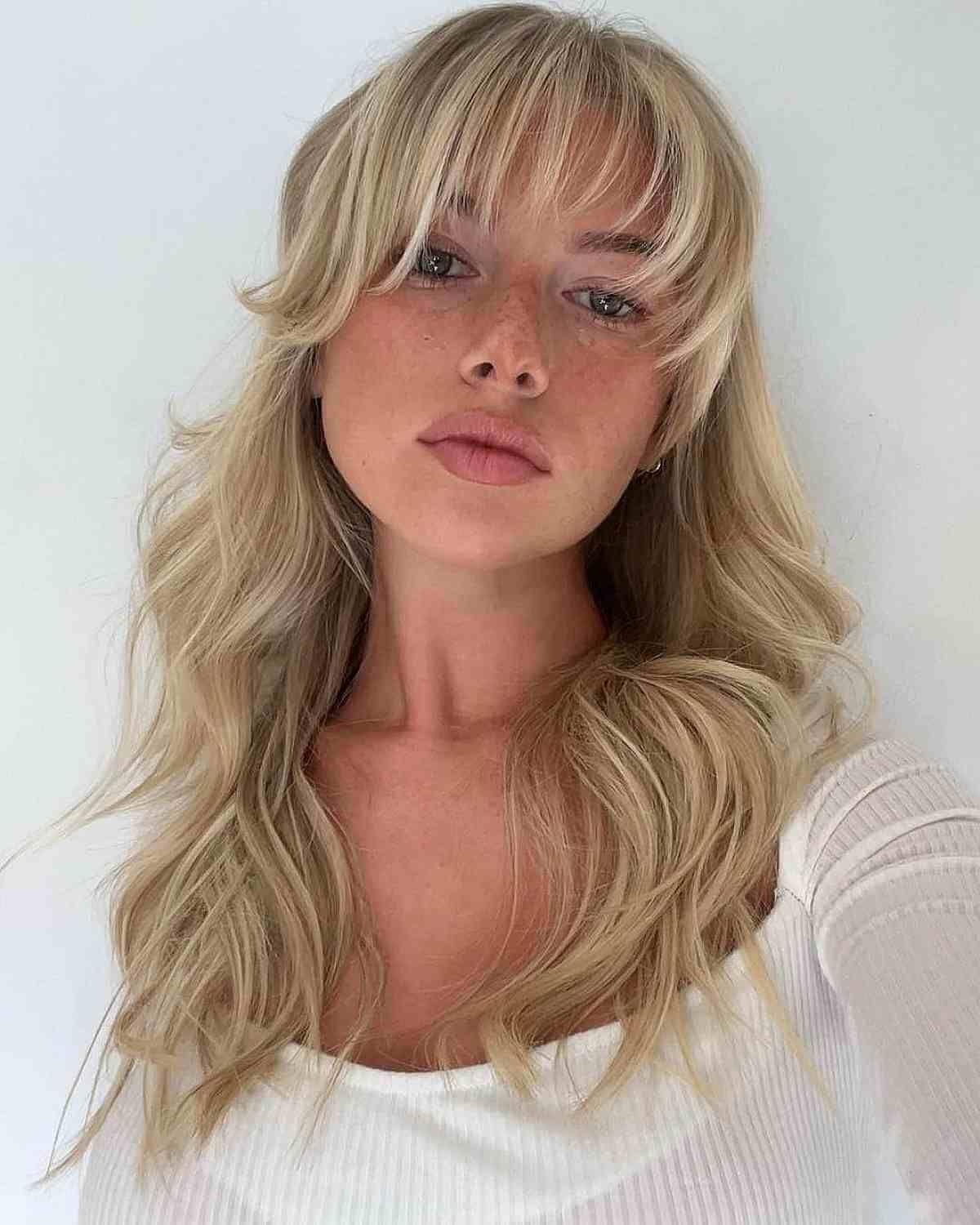
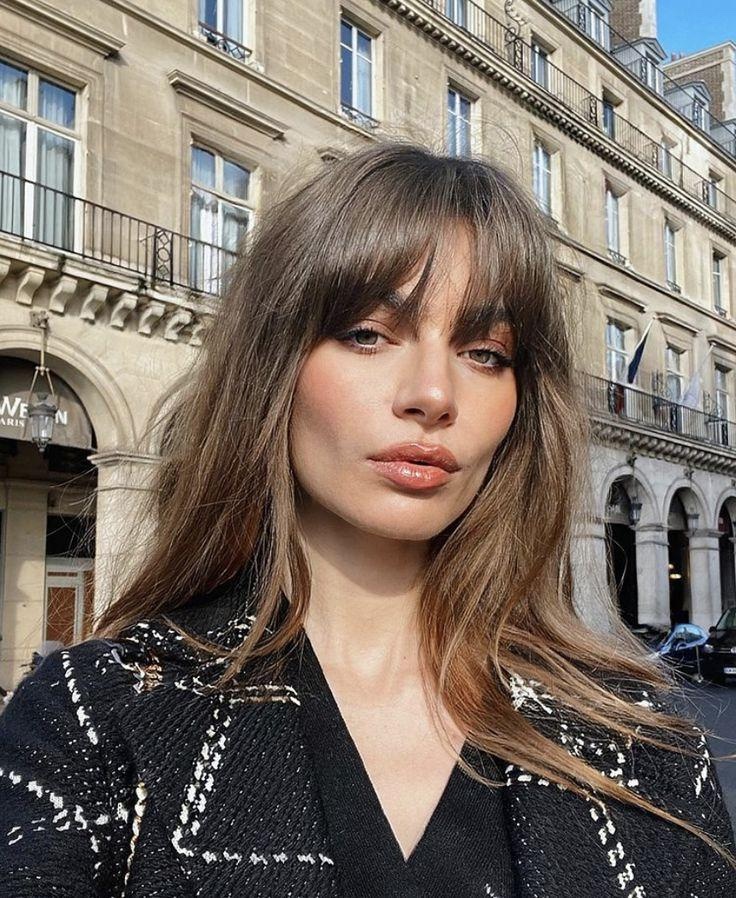
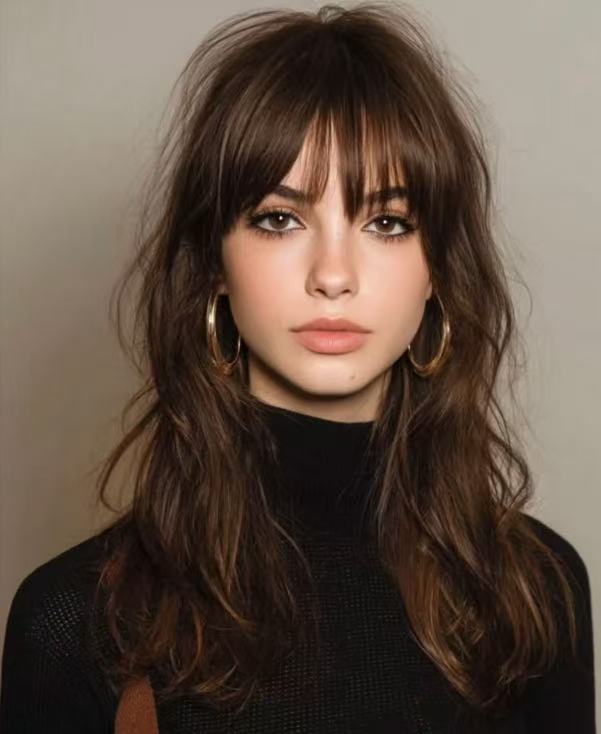
Long layered waves combine longer hair with soft layered movement and loose waves. The layers help reduce heaviness, while the wave pattern creates softness around the face and through the ends.
This style is a good choice if you want to keep length but add more shape, volume, and movement than a simple long straight haircut.
Why Try Long Layered Waves Before Styling?
Long layered waves can change how your hair frames your face, how much volume you see, and how light or full your ends appear.
See How Waves Frame Your Face
Preview whether loose waves soften your features and add movement near your cheeks and jaw.
Check Volume and Softness
Long waves can make hair look fuller, but the right amount of volume depends on your face and hair texture.
Decide How Much Layering You Want
Too much layering can thin the ends, while too little can make long hair feel heavy.
Who Looks Good With Long Layered Waves?
Long layered waves are flexible because both the layer placement and wave softness can be adjusted to your face shape.
Analyze your face shapeRound Faces
Long waves can visually lengthen the face, especially when volume stays below the cheekbones.
Square Faces
Soft waves can reduce sharpness around the jaw and make the overall outline feel gentler.
Oval Faces
Oval faces can usually wear most wave lengths and layer placements comfortably.
Heart-Shaped Faces
Waves around the jaw and shoulders can help balance a narrower chin.
Best Hair Types for Long Layered Waves
This hairstyle depends on how easily your hair holds movement, where the layers start, and how much density you want to keep at the ends.
Thick Hair
Layers remove weight and help long hair move instead of falling as one heavy shape.
Fine Hair
Soft waves can add fullness, but layers should stay subtle to protect the ends.
Naturally Wavy Hair
Natural wave patterns usually make this style easier to maintain and refresh.
Straight Hair
Straight hair may need heat styling, rollers, or texture spray to hold the wave pattern.
Long Layered Waves vs Similar Hairstyles
Long layered waves combine a haircut structure with a soft styling effect, which makes them different from many other long-hair looks.
Long Layered Waves vs Beach Waves
Beach waves are usually more casual and tousled. Long layered waves feel more shaped because the haircut adds structure under the wave pattern.
Long Layered Waves vs Loose Curls
Loose curls are rounder and more defined, while waves are softer, more relaxed, and less spiral-shaped.
Long Layered Waves vs Long Layers
Long layers describe the haircut, while waves describe the styling. This look combines both for movement and softness.
Long Layered Waves vs Butterfly Layers
Butterfly layers emphasize shorter front pieces, while long layered waves focus more on overall wave movement and length.
Want to compare long waves with other hairstyles?
Try bangs, layers, short cuts, colors, and more AI hairstyle ideas on your own photo.
Try More HairstylesHow to Get and Maintain Long Layered Waves
Combine a softly layered cut with light styling that creates movement without thinning or weighing down the ends.
Use a large-barrel curling iron or rollers
Larger tools create soft waves instead of tight curls, which keeps the look relaxed and natural.
Add lightweight mousse or texture spray
Light styling products help waves hold shape without making the roots heavy or flat.
Brush out curls for softer waves
After curling, gently brushing or finger-combing can turn defined curls into smoother waves.
Ask for long, blended layers
Avoid short choppy layers if you want movement without breaking up the overall length.
Show where waves should start
Bring front and side references that show whether the movement begins near the cheeks, jaw, or shoulders.
Keep density at the ends
Preserving enough weight at the bottom helps long waves look healthy and full instead of wispy.
Related Women's Hairstyle Tools
Compare more hairstyles on your own photo before choosing your next look. Compare long layered hair with other popular looks in our 2026 women’s hairstyle Google Trends report.
Long Layered Waves Simulator FAQ
Can I try long layered waves online?
Yes. Upload a clear photo and the simulator will generate a long layered waves preview on your image. It helps you judge whether soft waves, long layers, and added volume suit your face.
What are long layered waves?
Long layered waves combine longer hair with soft layers and loose wave texture. The layers add movement and reduce heaviness, while the waves create a softer, more dimensional finish.
Do long layered waves work on straight or fine hair?
Yes. Straight hair may need rollers or light heat styling to create the wave pattern. Fine hair works best with subtle layers that preserve density at the ends while soft waves add fullness.
How do I ask my stylist for long layered waves?
Ask for long, blended layers with enough density left at the ends. Show where you want the waves to begin and bring front and side reference photos so your stylist can match the movement and face framing.
Will the AI result look exactly like a salon hairstyle?
The AI result is a visual preview, not a guaranteed salon result. Real results depend on your hair length, texture, density, styling tools, products, and how your stylist cuts the layers.